Research Beyond the PIXImus: Considerations for Replacing a Legacy Small Animal DXA System
Since PIXImus is now discontinued, this article outlines considerations for replacing a legacy small animal DXA system with iNSiGHT DXA, a modern preclinical DXA platform that supports larger cohorts, longitudinal workflows, mouse and rat models, and validated bone and body composition measurements.
Overview
For many preclinical laboratories, the Lunar PIXImus helped establish DXA as a non-invasive and practical tool for measuring bone mineral density (BMD), bone mineral content (BMC), fat mass and %, and lean mass and % in mice. Since PIXImus is now a discontinued system, replacement decisions are inevitable.
A modern system should support the way small animal body composition studies are designed today, including larger cohorts, more longitudinal timepoints, and complex mouse and rat models, such as obesity and aging phenotypes, oncology-associated cachexia, orthopaedic injuries, etc. Further, users want to know that the latest in DXA technology delivers strong correlations to other methodologies, such as micro-CT or NMR, as well as to gold standards tests for body and bone mineral composition, namely chemical carcass analysis and bone ashing.
The iNSiGHT DXA easily fits this modern use case, offering fast, low-dose, in vivo bone and body composition measurements for longitudinal studies in mice and rats. Intelligently designed to build on the PIXImus system, the iNSiGHT DXA offers faster scan times, broader animal size range, software flexibility, more regional analysis, greater serviceability, and compatibility with research expectations.
PIXImus vs iNSiGHT DXA Feature Comparison
For laboratories evaluating a replacement for the discontinued PIXImus system, key considerations include scan speed, animal size range, field of view, ROI flexibility, system design, and validation against established bone and body composition methods. The table below summarizes key differences between PIXImus and iNSiGHT DXA as a modern preclinical DXA option.
| Feature | PIXImus (GE Lunar Corp) | iNSiGHT DXA |
|---|---|---|
|
System Status |
Discontinued |
Modern small animal DXA platform |
|
Primary Use |
Mouse DXA for BMD, BMC, fat, and lean tissue |
In vivo DXA for bone and body composition in mice and rats (BMD, BMC, fat mass and %, lean mass and %, total weight, tissue area, and bone area) |
|
Imaging Area (FOV) |
8 cm x 6.5 cm |
16.5 cm x 25.5 cm |
|
DXA Scan Time |
~ 5 minutes |
25 seconds in vivo (10 sec of X-ray exposure) |
|
Pixel Size |
180 μm x 180 μm |
100 μm x 100 μm |
|
Low/High Energy X-ray |
35 kV / 80 kV |
60 kV / 80 kV |
|
Beam Geometry |
Cone beam (stationary) |
Cone beam (stationary) |
|
Animal Size |
Approximately 10-50 g |
Approximately 10-500 g |
|
ROI Selection |
5 ROI |
Flexible ROI and offline analysis workflow |
|
Animal Positioning |
Specimen tray |
Center (+) of main scan area |
|
Computer |
Portable notebook |
Windows 10, 11 PC (64-bit) |
|
Dimensions |
30 cm x 63 cm x 33 cm |
66 cm x 61 cm x 113 cm |
|
Weight |
27 kg |
170 kg |
|
Power Requirements |
110-120 VAC (±10%), 5A, 60Hz (±2Hz), 200-240 VAC (±10%), 2.5A, 50Hz (±2Hz) |
110/240VAC, 50/60Hz, 200VA |
|
Precision |
In vivo CV <3% |
In vivo CV <3%, CV <1% (stationary phantom) |
Key Differences Between PIXImus and iNSiGHT DXA
Faster Longitudinal Imaging
PIXImus scan times are approximately 5 minutes per animal, while the iNSiGHT DXA can complete the measurement in 25 seconds. Across a multi-timepoint study, where cohorts are 12+ animals per group, this difference in acquisition time reduces anesthesia duration, improves throughput, and makes repeated measurements more practical.
Broader Animal Compatibility
PIXImus is generally limited to animals 10-50 g, making it primarily a mouse-focused device. The iNSiGHT supports a broader range of animals and models (preclinically validated for subjects 10-500 g), making it more suitable for larger mice, obese models, aged animals, and rats.
Safer System Design
The iNSiGHT DXA uses a closed cabinet design with lead shielding, unlike the open X-ray configuration of PIXImus. This is an important operational consideration for labs and core facilities.
Preclinical DXA Validation of Accuracy and Precision
A validation study by Coulombe et al. 2024 compared iNSiGHT, InAlyzer, and PIXImus systems for bone and body composition measurements in C57BL/6J mice. The study evaluated total body BMC, BMD, lean mass, and fat mass, compared DXA body composition outputs to EchoMRI (NMR technology), and compared femur BMC to ex vivo micro-CT.
The iNSiGHT DXA showed excellent short-term reproducibility, with body composition and bone measurement precision comparable to PIXImus (CV 3% or lower). iNSiGHT fat mass measurements were strongly correlated with both PIXImus and NMR outcomes. Measurement agreement for all iNSiGHT and PIXImus parameters ranged from R2 = 0.82 to 0.99, and as detailed in the corrigendum, the authors’ correction to the iNSiGHT femur BMC resulted in a very strongly correlation with ex vivo micro-CT (R2 = 0.89).
The researchers concluded that iNSiGHT is therefore a satisfactory replacement for the now discontinued PIXImus system, offering faster scan times, closed X-ray sources, and excellent precision.
Parting Thoughts
PIXImus helped define small animal DXA research, but modern preclinical studies now require greater speed, safety, animal size flexibility, and workflow efficiency.
Based on the validation work by Coulombe et al., the iNSiGHT DXA is a suitable replacement for PIXImus, achieving excellent short-term reproducibility, strong body composition performance, and fast scan times.
Product Highlight:
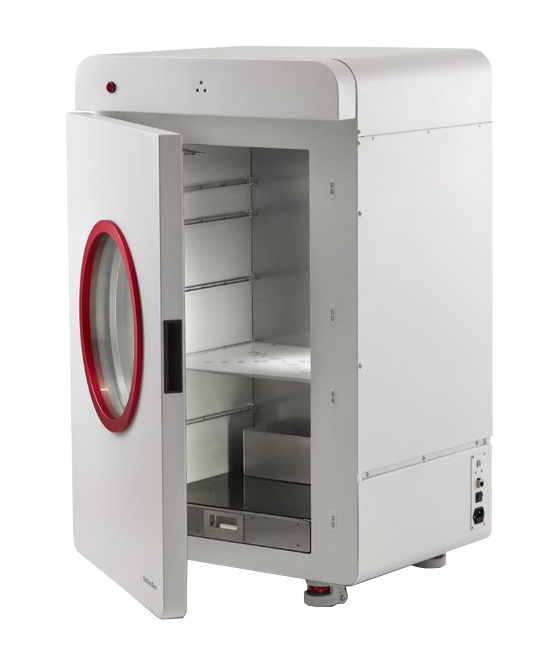
iNSiGHT DXA
A modern preclinical DXA platform for labs moving beyond PIXImus
For laboratories replacing a discontinued PIXImus system, iNSiGHT DXA supports fast, low-dose in vivo bone and body composition measurements in mice and rats. The system enables BMD, BMC, fat mass, and lean mass analysis with a larger field of view, faster scan times, broader animal compatibility, and flexible ROI workflows for modern longitudinal studies.
Replacement Considerations
- Complete in vivo DXA measurements in approximately 25 seconds, supporting higher-throughput studies and repeated timepoint analysis.
- Supports small animal models from approximately 10–500 g, including mice, larger mice, obese models, aged animals, and rats.
- Measures BMD, BMC, fat mass, lean mass, total weight, tissue area, and bone area in one workflow.
Related Resources
Disclaimer: Researchers should avoid assuming that values from PIXImus and iNSiGHT are directly interchangeable without validation. Strong correlations for several outcomes have been observed, but reported differences in absolute values exists between systems. Laboratories transitioning from PIXImus should establish internal baselines, avoid mixing instruments mid-study when possible, and clearly document the system used for each dataset.