Preclinical Imaging for Deeper Research Insights

Explore imaging technologies for investigating anatomy, physiology and molecular processes in preclinical research. Find imaging solutions by modality or experimental need.

Explore by Imaging Modality

Choose an imaging technique to explore relevant systems, measurement approaches and technical information.

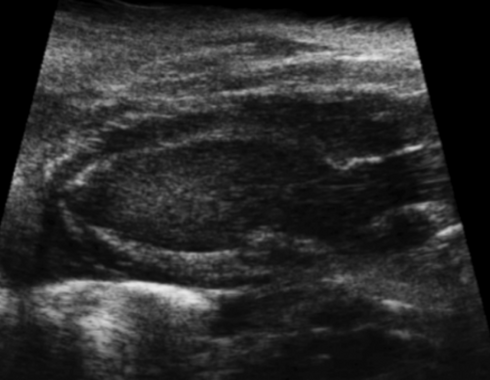
High-frequency ultrasound systems for anatomy and physiology.

Bioluminescence and fluorescence imaging for preclinical studies.

Assess bone and body-composition endpoints.

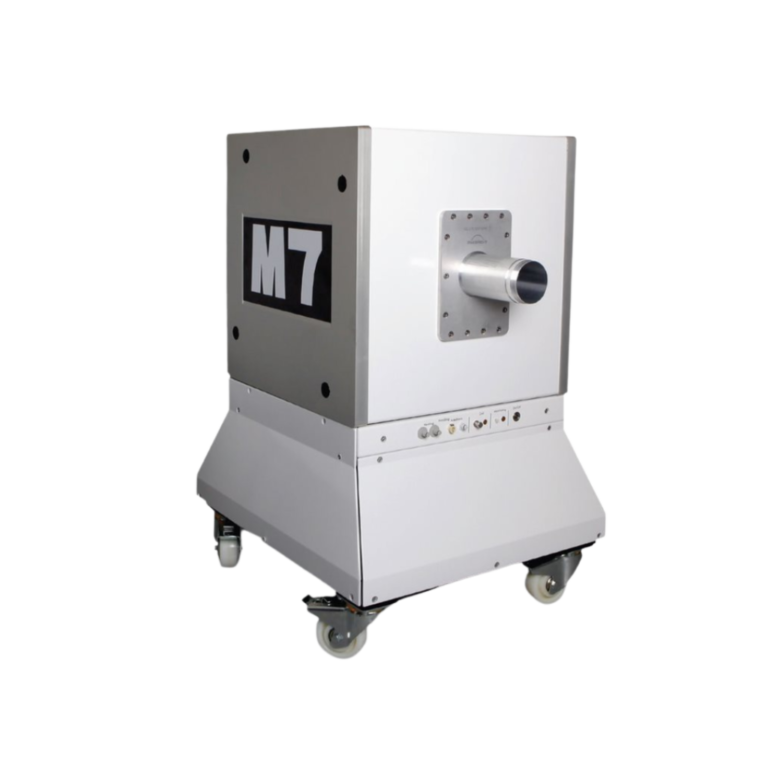
Explore magnetic resonance imaging and body-composition measurements.

Combine molecular and anatomical imaging approaches.

Explore single-photon imaging systems for preclinical research.

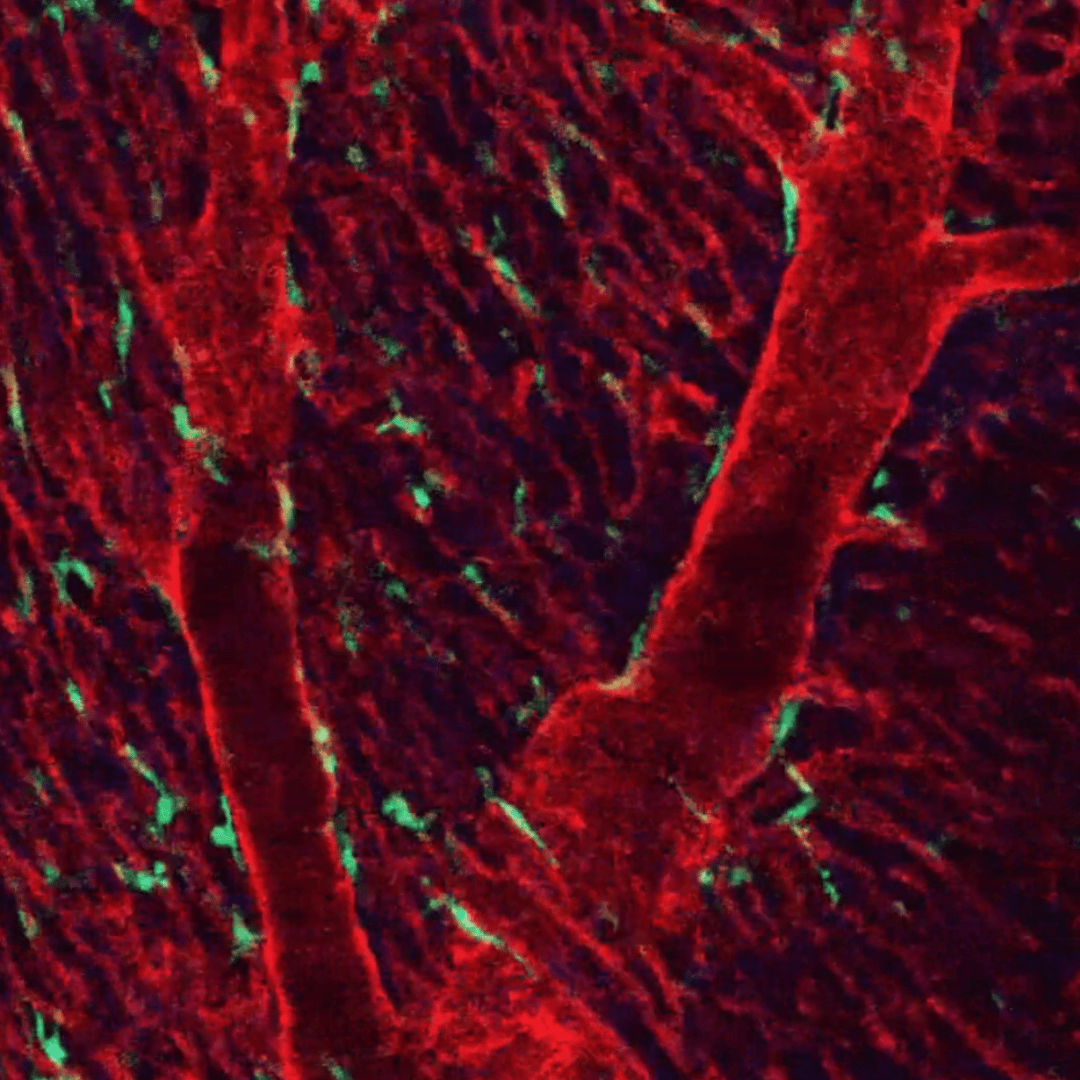
Investigate cellular activity and dynamics in living tissue.

Explore high-resolution X-ray imaging with inCiTe.

Featured Optical Imaging Platform

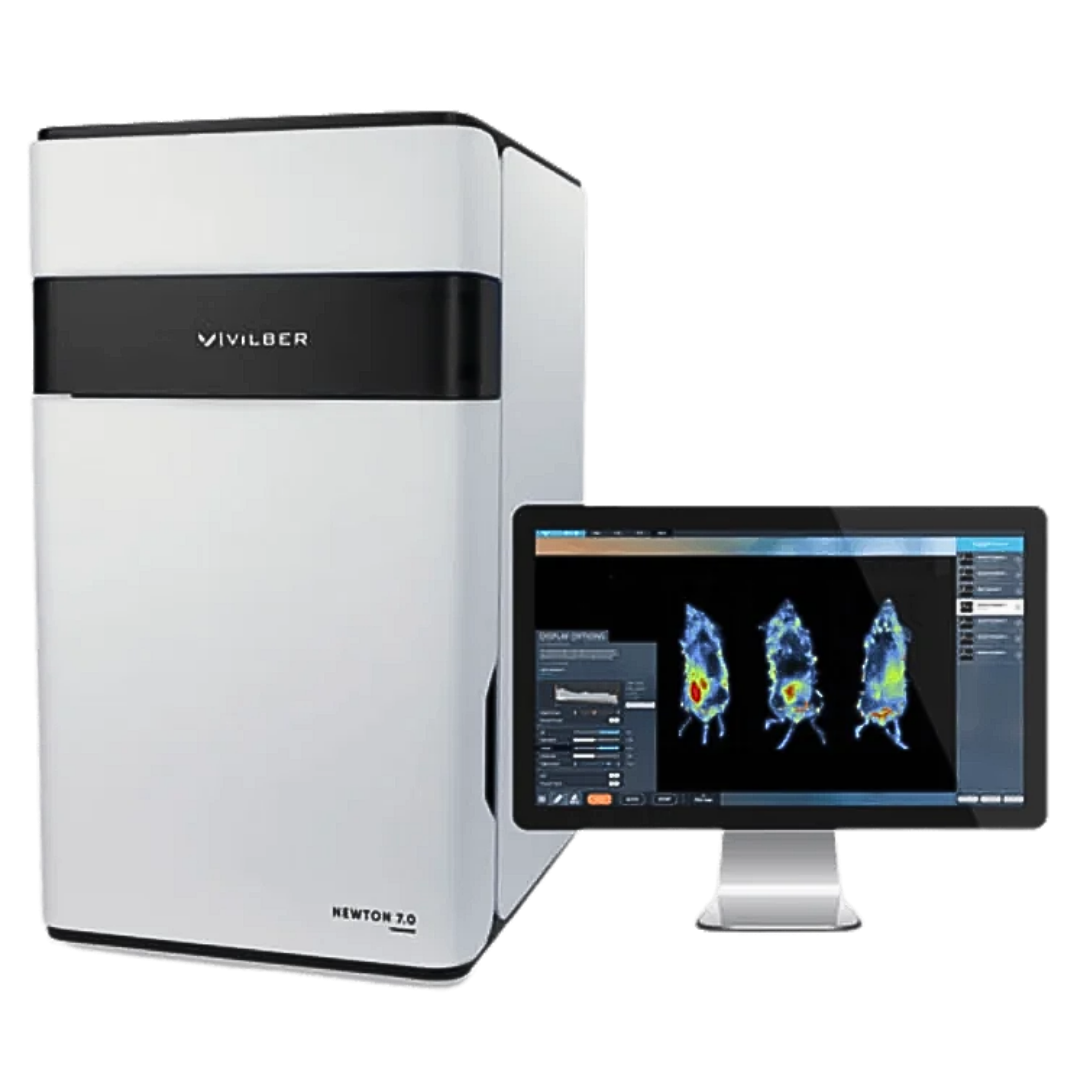
Newton: Optical Imaging Series

Explore the Newton imaging platform for bioluminescence and fluorescence applications, with model options for different research workflows.

Newton 7.0 preclinical optical imaging system

Newton preclinical optical imaging system. See the product page for model-specific capabilities.

Browse Imaging Systems

Complementary Imaging Solutions

Support your imaging workflow with relevant imaging agents, consumables, phantoms, research services and technical resources

Illustration of targeted microbubbles interacting with molecular targets on a biological surface.

Preclinical Imaging FAQs

Considerations for selecting imaging methods and planning preclinical experiments.

Start with the biological question and endpoints you need to measure. Consider whether you need anatomical, functional, physiological, molecular, or cellular information, as well as the required spatial and temporal resolution. Your animal or sample model, need for longitudinal measurements, imaging depth, and compatibility with other techniques can also influence the choice of modality.
Yes. Combining complementary imaging modalities can provide different types of information within the same research study. For example, one technique may provide detailed anatomical information while another measures functional, physiological, or molecular changes. The most appropriate combination depends on your research question, model, experimental design, and the capabilities of the imaging systems being used.

The requirements depend on the imaging modality and study design. Scintica offers complementary solutions including imaging agents, contrast agents, phantoms, and other accessories and consumables for selected preclinical imaging applications. These can support image acquisition, system quality control, protocol development, and specific experimental workflows. Explore Scintica’s Consumables hub for related imaging agents and accessories. 

Yes. Scintica’s scientific team can discuss your research question, experimental model, endpoints, and measurement requirements to help identify imaging technologies that may be appropriate for your study. Where relevant, this can also include complementary imaging approaches, imaging agents, and research services.

Learn About Multimodal Imaging

Explore imaging concepts, multimodal workflows and the types of information different technologies provide.

Discuss Your Imaging Requirements

Tell us about your biological question, model and target measurements to discuss relevant imaging solutions.

Download Brochure

Enter your details and we’ll email the requested brochure to you.

Name