Preclinical CRO Services:
Scintica provides preclinical imaging CRO services for biotech, pharmaceutical, and academic research teams. Our preclinical imaging services include small animal imaging services across MRI, PET/CT, optical imaging, ultrasound, DXA, and more.
Scientific Imaging Expertise
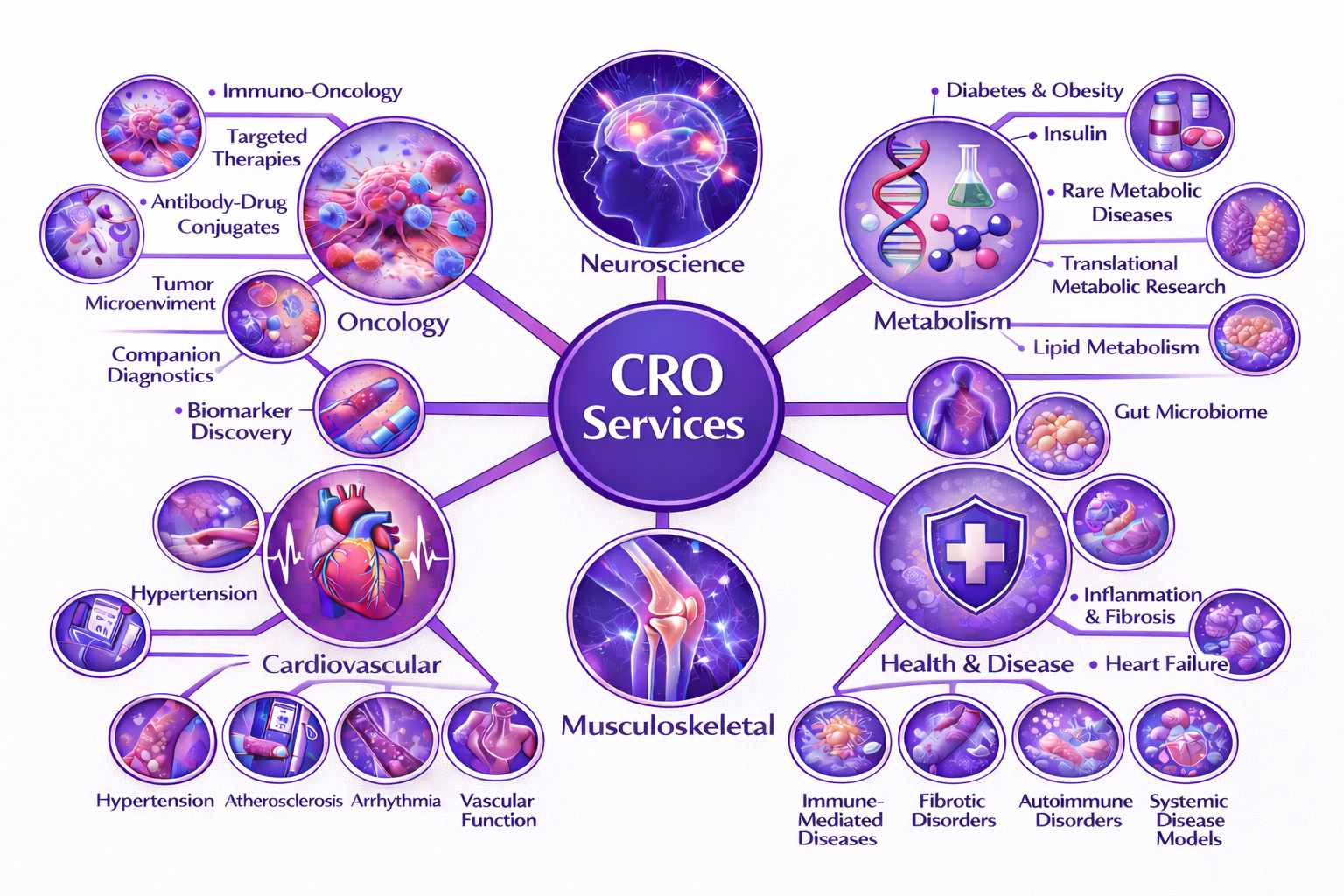
Work with a team experienced in study planning, image acquisition, and quantitative analysis. We support preclinical research in oncology, neuroscience, metabolism, cardiovascular, musculoskeletal, and regenerative medicine. Our focus is reliable data, clean execution, and clear deliverables.
Typical Deliverables:
Our Services
Our preclinical CRO services are designed to generate reliable, reproducible datasets that support confident decision making across discovery and translational studies.
In Vivo & Ex Vivo Imaging
Advanced in vivo imaging capabilities, spanning a broad set of modalities:
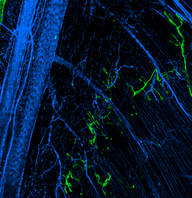
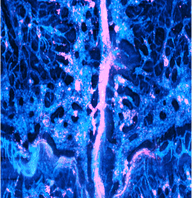
- Confocal Microscopy Imaging – Optical sectioning with high spatial resolution to clearly resolve cellular and tissue architecture.
- DEXA (Dual-Energy X-ray Absorptiometry) – Quantitative assessment of bone mineral density, body composition, and regional lean and fat mass in small animal models.
- Intravital and Deep Tissue Imaging – Real-time visualization of cellular behavior and interactions within intact, living tissues at depth.
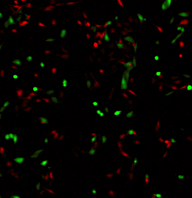
- Live Cell Imaging – Time-resolved microscopy to observe dynamic cellular events as they unfold under physiologically relevant conditions.
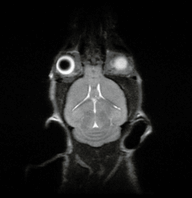
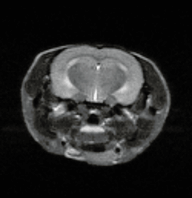
- Magnetic Resonance Imaging (MRI) – Detailed anatomical and functional imaging to support cardiac, brain, tumor, and whole-organ investigations.
- In Vivo Optical Imaging – Noninvasive monitoring of molecular and cellular activity using fluorescence or bioluminescence reporters.
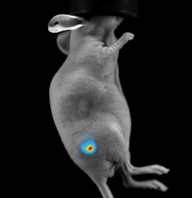
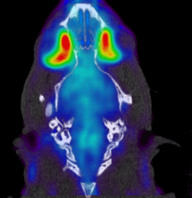
- Positron Emission Tomography (PET/CT) – Highly sensitive, quantitative imaging for metabolic profiling and tracer-based studies.
- Short-Wave Infrared (SWIR) Imaging – Improved tissue penetration and contrast for real-time visualization of drug distribution in vivo.
- Single Photon Emission Computed Tomography (SPECT/CT) – Combined functional and anatomical imaging to enable translational and drug development research.
- Super-Resolution Imaging – Imaging at the nanometer scale to reveal ultrastructural details beyond conventional diffraction limits.
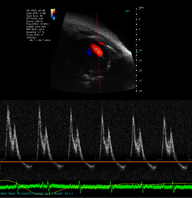
- Ultrasound – High frequency ultrasound imaging for full body analysis, including 3D imaging and shearwave elastography.
- Wide-Field Calcium Imaging – Cortex-wide recording of neuronal activity and functional connectivity using genetically encoded calcium indicators.
Spatial Biology
Spatial biology workflows integrated with H&E and IHC detection pipelines, including:
- Tissue Microarray (TMA) Construction – End-to-end TMA design and fabrication to support high-throughput, standardized analysis across large tissue collections.
- Fresh and FFPE Single-Cell RNA Sequencing (scRNA-Seq) – High-quality single-cell transcriptomic profiling from fresh and FFPE samples using optimized workflows tailored for FFPE data interpretation.
- Spatial Transcriptomics (Xenium In Situ) – Full-service spatial gene expression analysis enabling single-cell resolution mapping within intact tissue architecture using the Xenium In Situ platform.
Analytical Chemistry Services
Analytical support for drug discovery, contrast agent development, and biomolecular research. With advanced NMR, HPLC, and LC-MS capabilities, we deliver accurate characterization, quantification, and quality control for small molecules, contrast agents, and biologics.
- HPLC Services – Analytical separation and quantification to support small-molecule characterization, impurity detection, stability assessment, and method development.
- LC-MS / Mass Spectrometry – Sensitive mass-based analysis for drug quantification, purity assessment, metabolic profiling, DMPK studies, and compound characterization.
- NMR Spectroscopy (¹H, ¹³C, 2D NMR, and more) – Comprehensive nuclear magnetic resonance analysis for structural elucidation, impurity identification, metabolite confirmation, and verification of compound identity.
Histopathology Services
- General Staining
- Imaging
- Multiplex IHC and IF
- Opal
- RNAscope
- Scanning
- Sectioning
- Special Stains > 20
- Tissue Processing and Embedding
Study Design
- Data Structure and Analysis-Ready Outputs: Streamlining downstream analysis and standardizing deliverables.
- Documentation, SOPs, and Reporting Framework: Building protocols, templates, and reporting structure.
- Dosing Strategy and Sampling Schedule: Defining routes, dose levels, and key time points.
- Imaging and Analytical Endpoint Integration: Aligning imaging plans with complementary analytical readouts.
- Model Selection and Cohort Definition: Recommending appropriate in vitro and in vivo models.
- Power and Statistical Planning: Planning for adequate sample size and robust interpretation.
- Randomization, Blinding, and Bias Control: Implementing study controls to reduce bias and improve rigor.
- Study Scoping and Hypothesis Refinement: Clarifying scientific questions and defining endpoints.
How Scintica Supports Preclinical Studies
Hear from Dr. Sadi Loai, Senior Product Manager, on how Scintica supports preclinical studies through study planning, imaging workflows, data acquisition, and quantitative outputs.
Technologies for Preclinical CRO Workflows
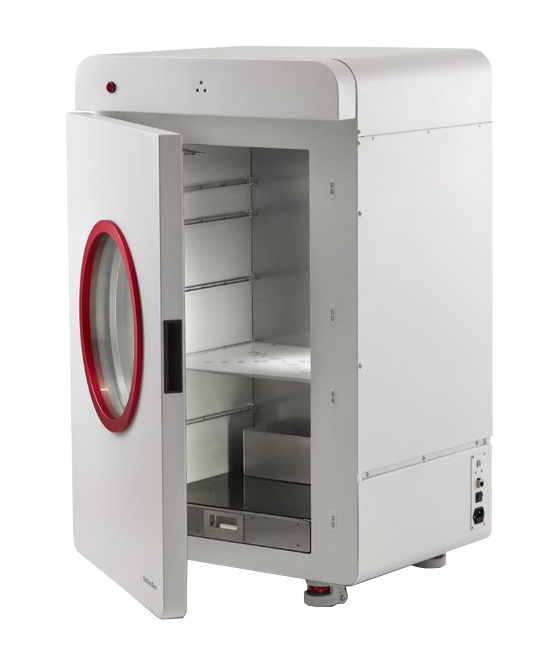
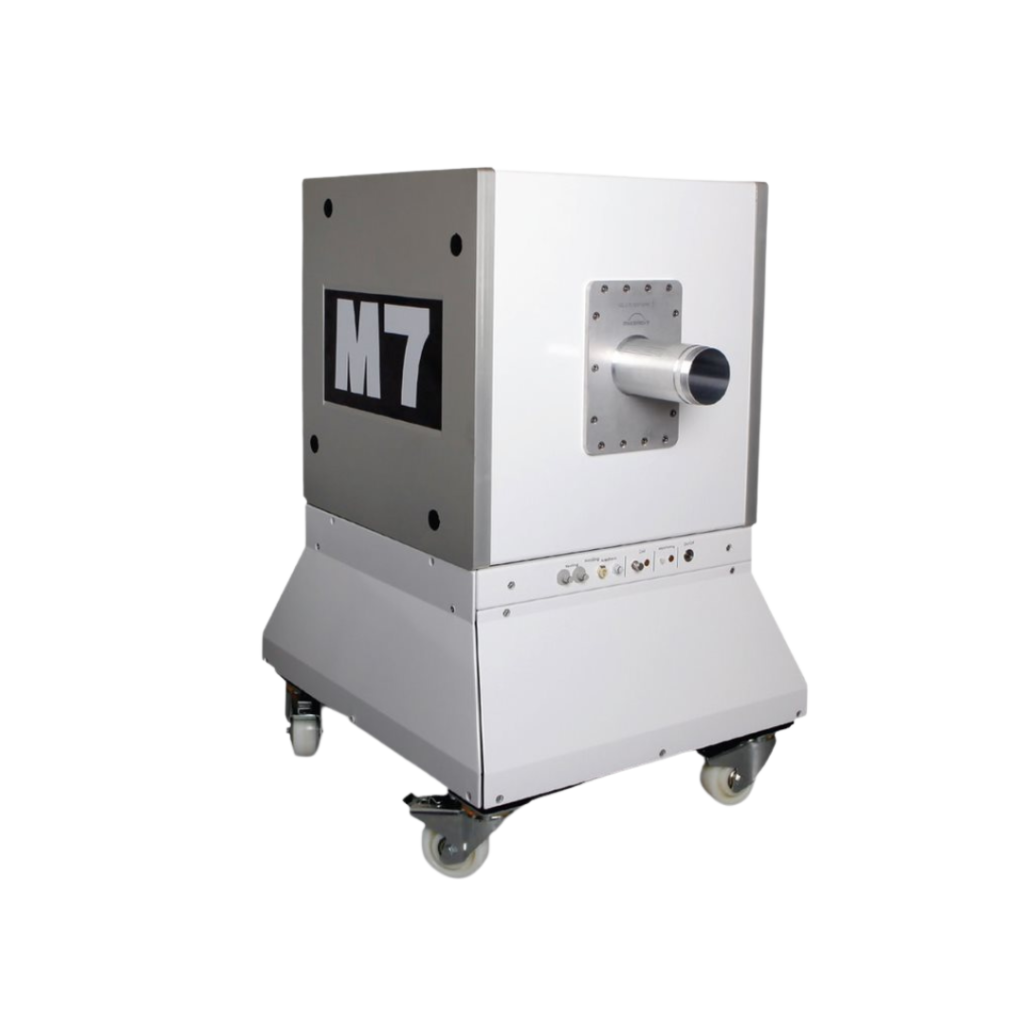
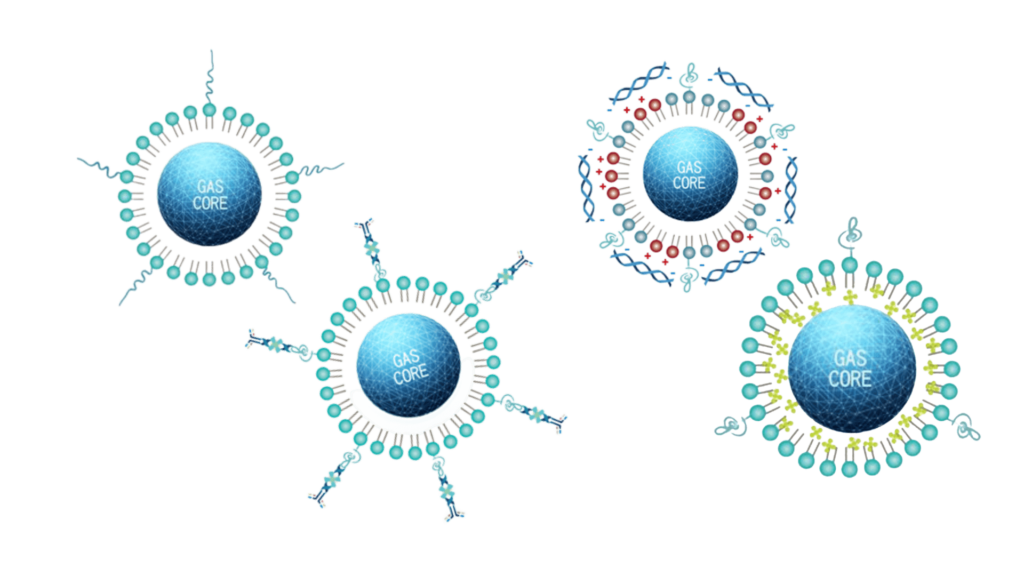
Explore instruments and supporting tools used across preclinical imaging, monitoring, and study workflows.


Need help selecting the right technology for your preclinical workflow?
Our team can help you evaluate the systems, modalities, and capabilities that best align with your study design, biological endpoints, and research objectives.
Frequently Asked Questions About Preclinical CRO Services
What imaging modalities can be used in a preclinical CRO study?
Scintica supports a broad range of imaging workflows, including MRI, PET/CT, SPECT/CT, high-frequency ultrasound, optical imaging, DEXA, confocal microscopy, intravital and deep-tissue imaging, live-cell imaging, SWIR imaging, super-resolution imaging, and wide-field calcium imaging. Modality selection should be driven by the biological question, model, endpoints, and whether complementary analytical readouts are needed.
Can multiple imaging and analytical endpoints be integrated within one study?
Scintica’s study-design support includes imaging and analytical endpoint integration, with planning around study scope, model and cohort definition, dosing and sampling schedules, and analysis-ready outputs. The exact combination of imaging modalities and analytical services should be defined during study scoping so each readout supports the study objectives.
How does Scintica support a preclinical study from planning through analysis?
Support can span study scoping and hypothesis refinement, model and cohort selection, power and statistical planning, randomization and blinding, dosing and sampling strategy, imaging workflow design, data acquisition, quantitative analysis, and reporting structure. The goal is a coordinated workflow that produces reliable, reproducible data and clear deliverables.
What deliverables can researchers expect from a Scintica CRO project?
Deliverables are defined by project scope, but the current CRO workflow emphasizes analysis-ready data, quantitative outputs, documentation and SOPs, and a clear reporting framework. Study design can also align imaging with complementary analytical endpoints to support downstream analysis and interpretation.
What determines the cost of a preclinical imaging CRO study?
Project cost will depend on the approved study scope. Relevant scoping variables may include the model and cohort design, imaging modality or modalities, endpoint plan, dosing and sampling schedule, statistical requirements, and any complementary histopathology, spatial biology, or analytical chemistry services. A project-specific scope is therefore needed before an accurate quote can be provided.
Which research areas can Scintica support?
The current CRO offering highlights support across oncology, neuroscience, metabolism, cardiovascular research, musculoskeletal research, and regenerative medicine, with services structured for biotech, pharmaceutical, and academic research teams. The page also describes discovery and translational study support across imaging, spatial biology, analytical chemistry, histopathology, and study design.
From Study Planning to Quantitative Outputs
Support your study with experienced planning, imaging workflows, data acquisition, and quantitative analysis from a team focused on reliable preclinical execution.