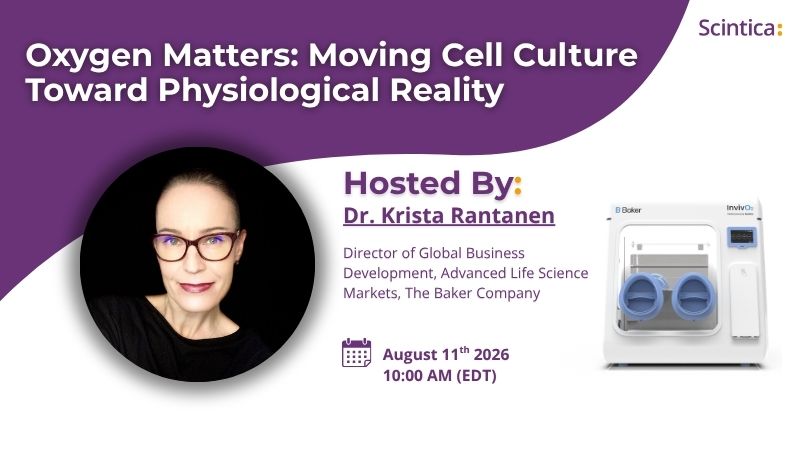
(August 11th, 2026) Webinar: Oxygen Matters: Moving Cell Culture Toward Physiological Reality
(August 11th, 2026) Webinar: Oxygen Matters: Moving Cell Culture Toward Physiological Reality Most

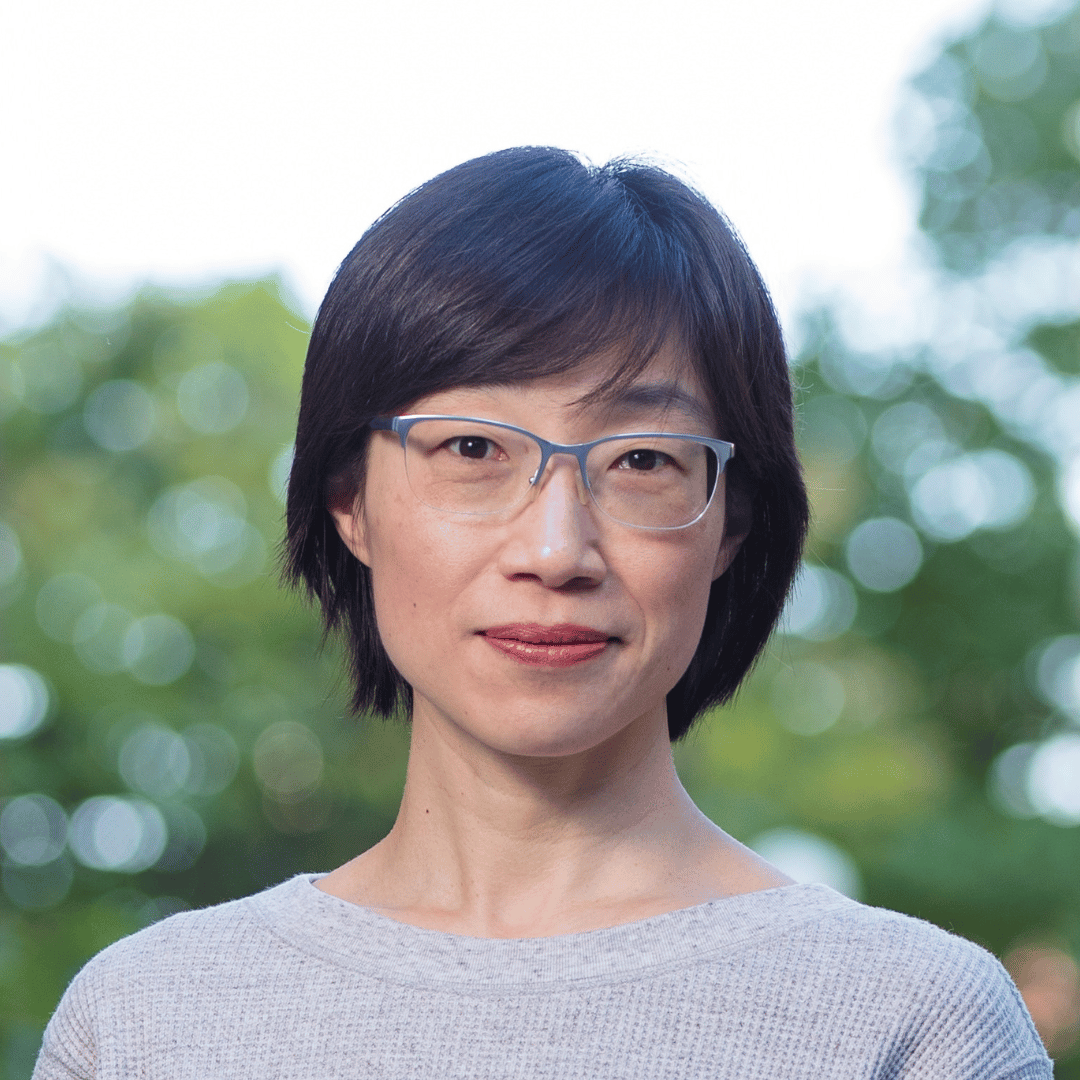
Dr. Cheng received her BSc and MSc degrees in Electrical and Computer Engineering from the University of Calgary and spent two years in industry working on real-time synthetic aperture radar development for Canadian defense surveillance. She then returned to academia to pursue further post-graduate study in the Department of Medical Biophysics at the University of Toronto, where she received her PhD degree in 2003 on interventional magnetic resonance imaging (MRI)-guided focused ultrasound thermal ablation therapy. She continued her academic research as a Scientist in The Hospital for Sick Children, Research Institute. In 2014 she joined the Institute of Biomedical Engineering (BME) and The Edward S. Rogers Sr. Department of Electrical & Computer Engineering at the University of Toronto as an Assistant Professor. Since 2015, she has been a member of the Translational Biology & Engineering Program in the Ted Rogers Centre for Heart Research.
Dr. Cheng’s research is focused on advancing magnetic resonance imaging (MRI) at the physiological, cellular, and molecular level. Her lab designs and synthesizes MRI contrast agents for targeted and molecular imaging. They also develop novel methods for physiological and metabolic imaging, with a particular emphasis on cardiovascular diseases.
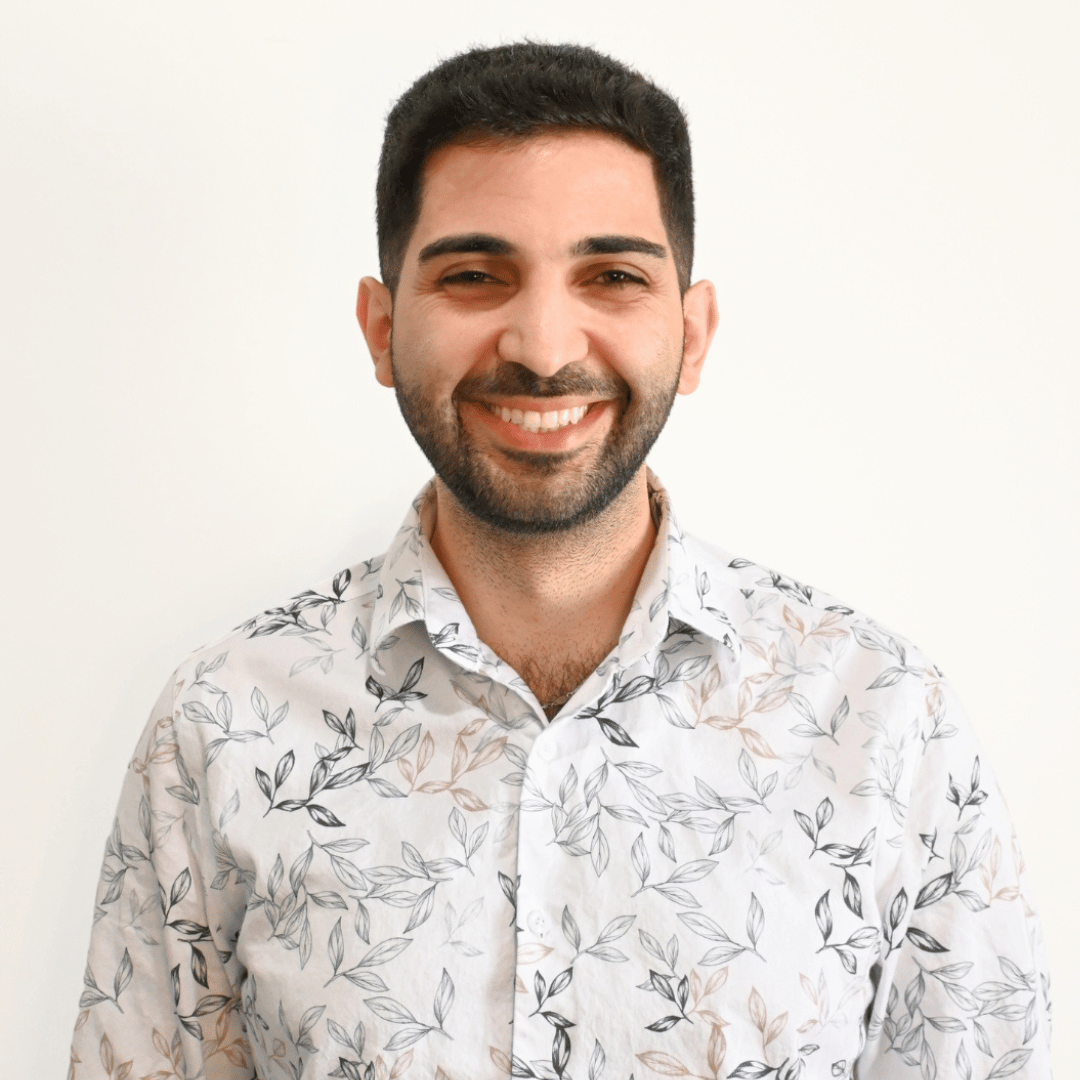
Sadi Loai is a distinguished researcher specializing in biomedical engineering and medical imaging. He earned his PhD in Biomedical Engineering from the University of Toronto, where he focused on developing advanced imaging techniques for diabetes induced heart failure. Dr. Loai has made significant contributions to the field of preclinical imaging, particularly in the development and application of contrast agents in MRI, understanding the link between type II diabetes and HFpEF, and developing early diagnostic markers. Dr. Loai’s research has been published in several peer-reviewed journals, reflecting his commitment to advancing knowledge in biomedical imaging. He is currently affiliated with Scintica Instrumentation as a Product Manager, where he continues to drive innovation in preclinical imaging solutions.
(August 11th, 2026) Webinar: Oxygen Matters: Moving Cell Culture Toward Physiological Reality Most
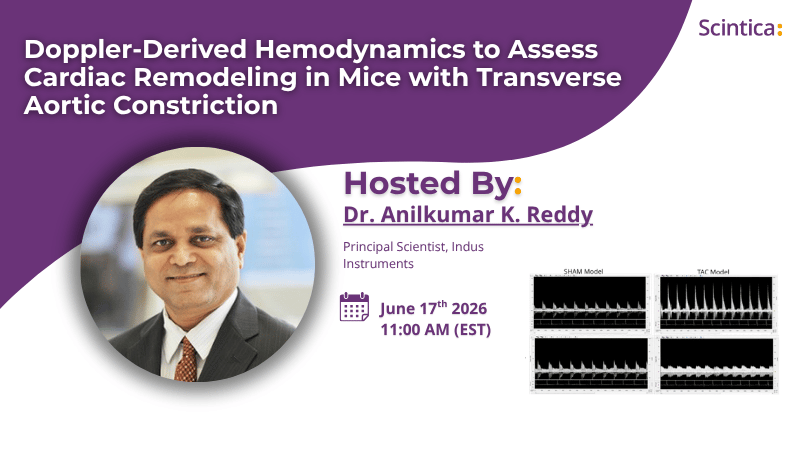
(June 17th, 2026) Webinar: Doppler-Derived Hemodynamics to Assess Cardiac Remodeling in Mice with
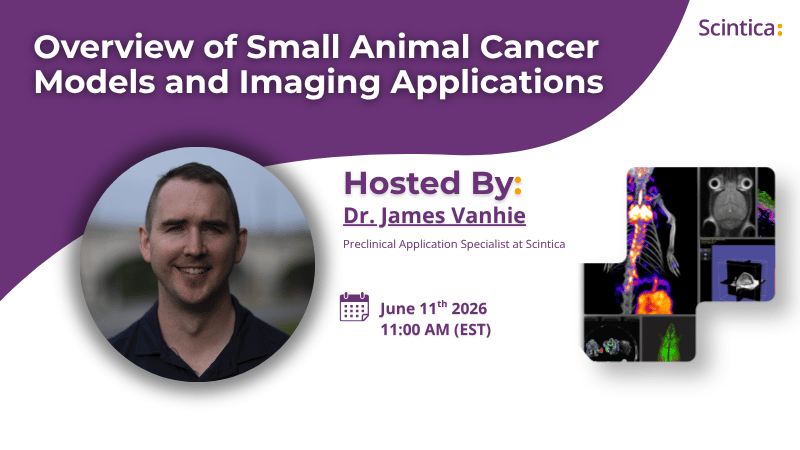
(June 11th, 2026) Webinar: Overview of Small Animal Cancer Models and Imaging Applications
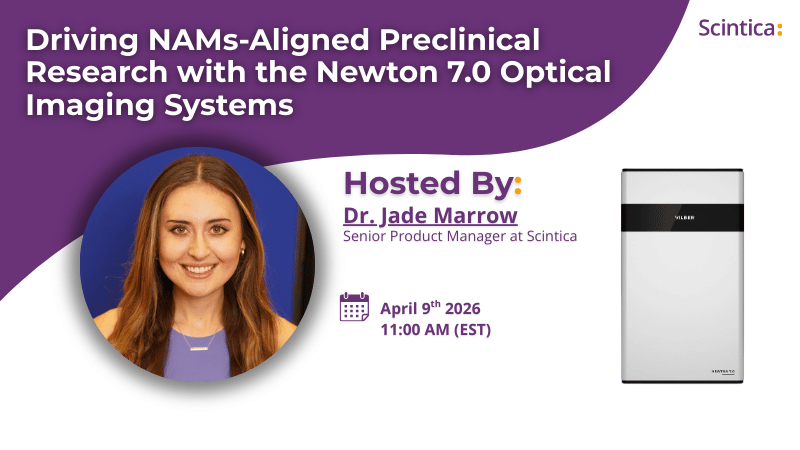
(April 9th, 2026) Webinar: Driving NAMs-Aligned Preclinical Research with the Newton 7.0 Optical
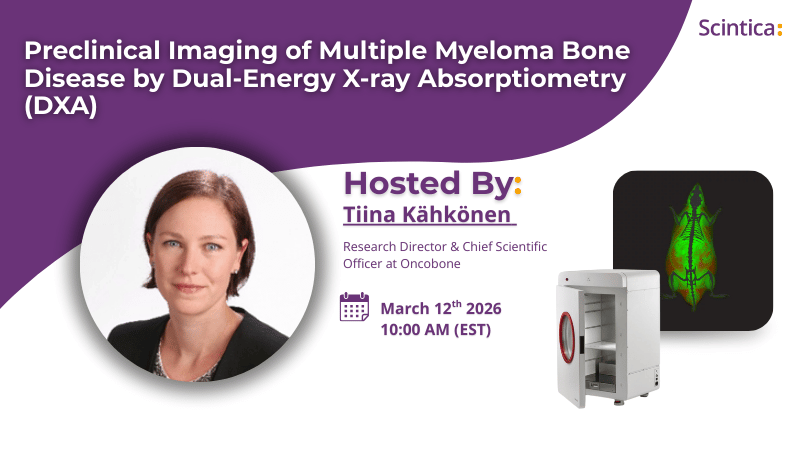
(March 12, 2026) Webinar: Preclinical Imaging of Multiple Myeloma Bone Disease by Dual-Energy
(February 25, 2026) Webinar: How to Optimize Your Western Blot Workflow and Choose