
(August 11th, 2026) Webinar: Oxygen Matters: Moving Cell Culture Toward Physiological Reality
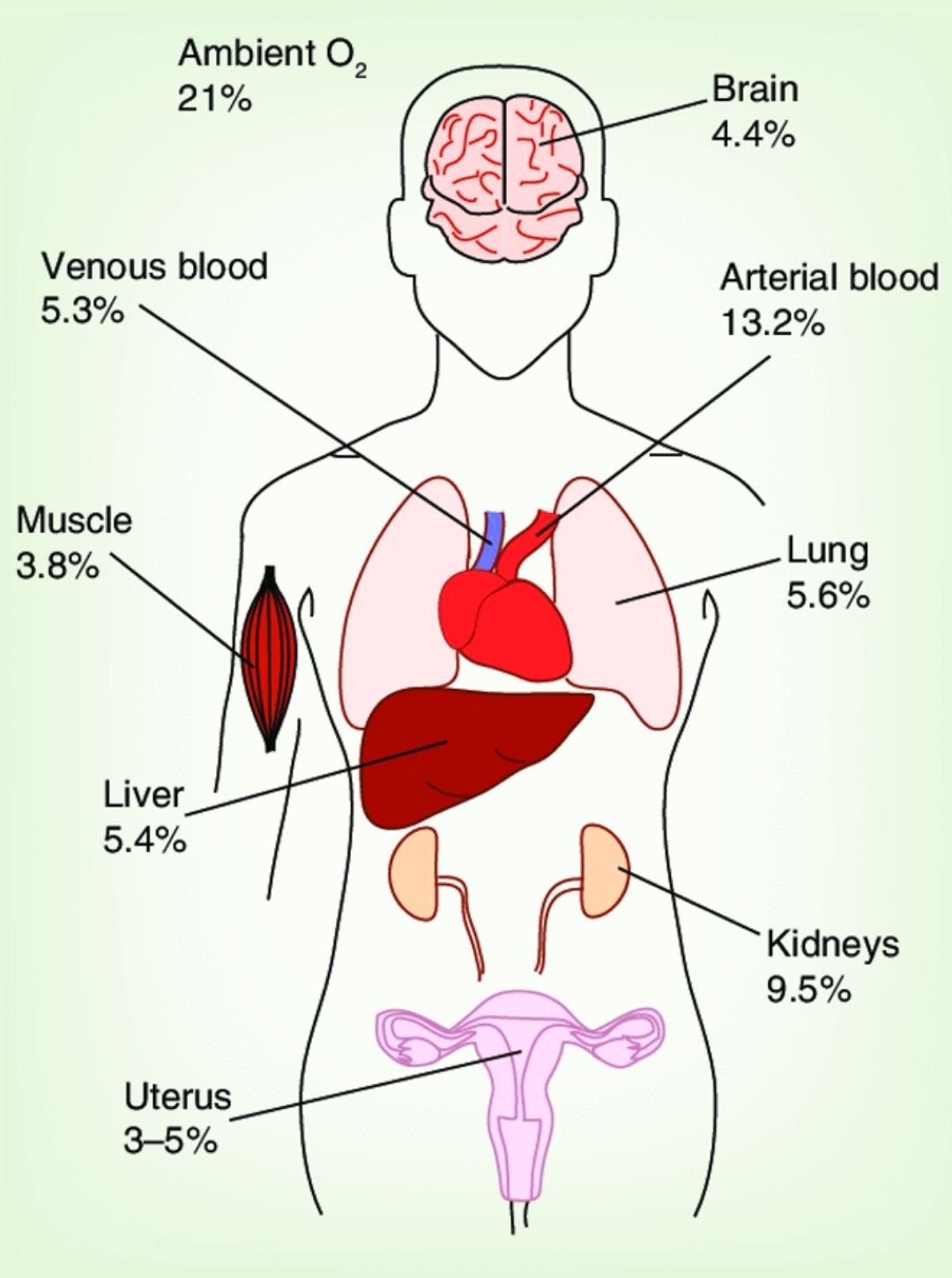
Most mammalian cells in the body exist at physiological oxygen levels, often far below the 20–21% oxygen routinely used in standard cell culture. This webinar introduced physoxia, the oxygen environment that more accurately reflects in vivo biology, and explained why oxygen is a critical but often overlooked experimental variable. We explored how atmospheric oxygen can alter cellular metabolism, stress responses, differentiation, signaling, and translational relevance. The talk highlighted practical considerations for implementing physoxic workflows and discussed how better oxygen control can improve experimental reproducibility and biological accuracy.
Key Points:
- Define physoxia and explain how it differs from atmospheric oxygen culture conditions
- Describe why oxygen is a critical experimental variable in cell-based research
- Recognize how non-physiological oxygen levels can affect cellular behaviour and data interpretation.
- Identify practical considerations for implementing physoxic culture workflows
- Evaluate how physiologically relevant oxygen control can improve reproducibility and translational relevance
The Oxygen Assumption: Why "Normal" Isn't Normal
Oxygen is one of the most fundamental regulators of cellular behaviour, yet it is often treated as a constant rather than a controlled experimental variable. In vivo, cells experience tissue-specific oxygen levels that are typically much lower than atmospheric oxygen. For many cell types, standard incubator conditions therefore represent a state of relative hyperoxia rather than normal physiology.
When Culture Conditions Don't Match Biology
This mismatch can have profound effects on cell function. Culturing cells at atmospheric oxygen may influence oxidative stress, mitochondrial activity, stem cell fate, proliferation, immune responses, gene expression, and disease-related phenotypes. As a result, experimental findings generated under conventional oxygen conditions may not always reflect how cells behave in the body.
Defining Physoxia
Physoxia refers to the use of physiologically relevant oxygen levels in cell culture and experimental design. Rather than applying one universal oxygen concentration, physoxic approaches consider the native oxygen environment of the tissue, organ, developmental stage, or disease context being modeled. This shift supports more biologically meaningful and translationally relevant research.
Bringing Physoxia into the Lab
Adopting physoxia also requires practical changes in laboratory workflows. Oxygen exposure can occur during handling, media changes, imaging, transport, and analysis, not only during incubation. Understanding and managing these variables is essential for researchers who want to improve reproducibility, reduce artifacts, and design experiments that better represent human biology.
Watch Our Recorded Virtual Workshop & Presentation
About the Speaker

Dr Krista Rantanen has an extensive academic career in the field of cancer research, specifically focusing on oxygen sensing mechanisms. She did her PhD on prolyl hydroxylase function in cancer, and subsequently she’s been a part of starting a biomedical engineering company and did her postdoctoral period studying kidney cancer.
In 2018 she joined the Baker Company (USA) as their Director of Scientific Applications and has pursued this global role since. 2022, she was also invited to be a Visiting Scientist in the research group of Nobel Laureate Sir Peter Ratcliffe at the Francis Crick Institute in London, UK. There she continues her research on oxygen sensing mechanisms.
Dr Rantanen is also the lead of the global science for science initiative HypoxEU, the society for oxygen biology research supporting the work of thousands of scientists in the field.