

Preclinical SPECT Imaging System
Alpha-SPECT™ Mini
Quantitative Preclinical SPECT for Theranostics & Alpha Therapy
The Alpha-SPECT Mini addresses these challenges through high-energy-resolution CZT detectors and advanced quantitative imaging workflows that support both preclinical discovery and translational research.
The Alpha-SPECT Mini Overview
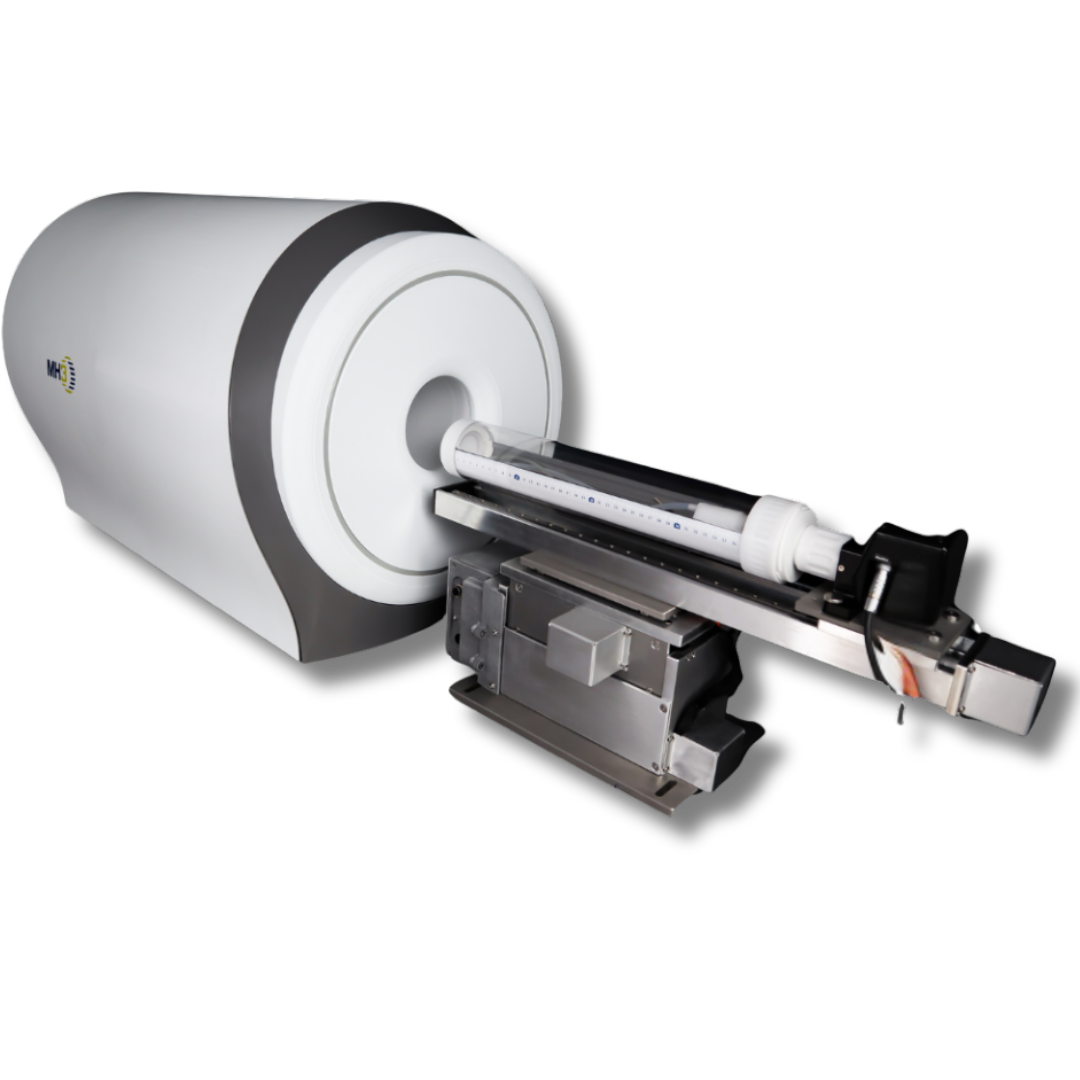
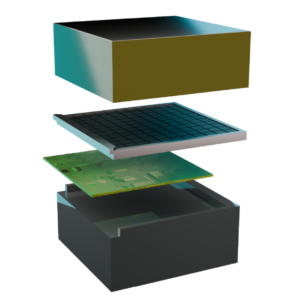
The Alpha-SPECT Mini is a high-performance preclinical SPECT imaging platform developed for quantitative molecular imaging and theranostic research. Utilizing advanced Cadmium Zinc Telluride (CZT) detector technology, the system delivers exceptional energy resolution and sensitivity that is optimized for imaging therapeutic radionuclides, including challenging alpha-emitting isotopes.
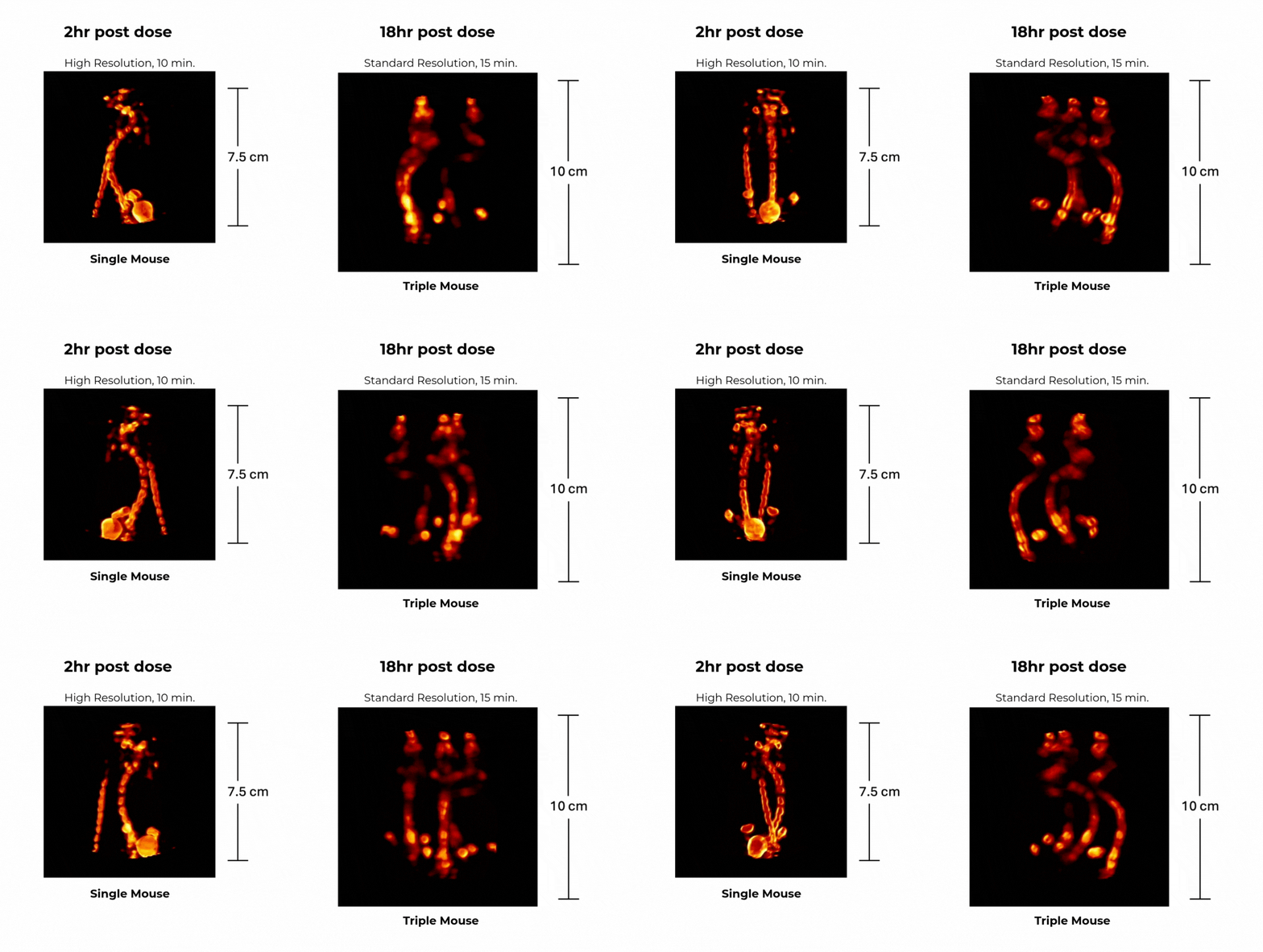
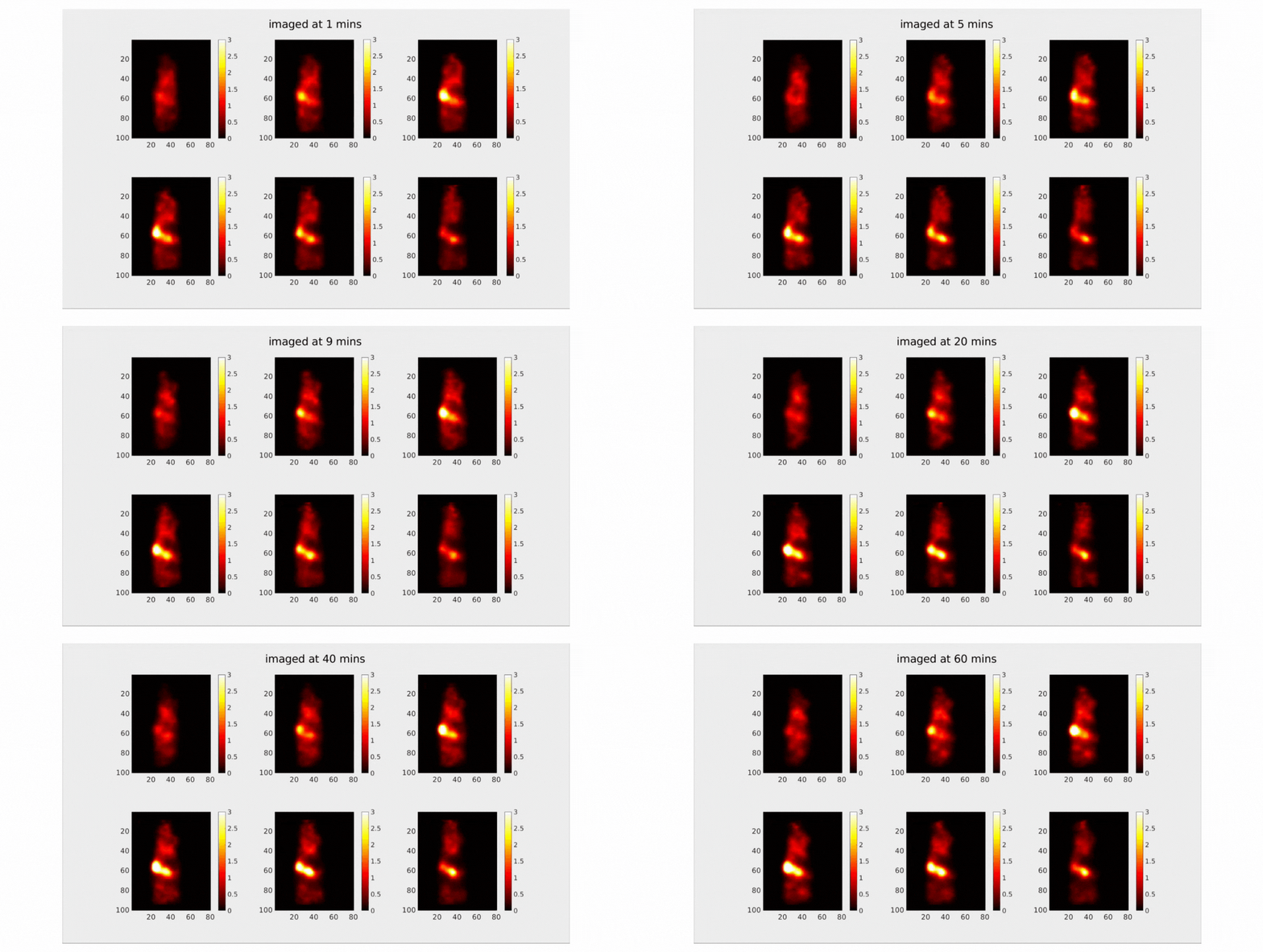
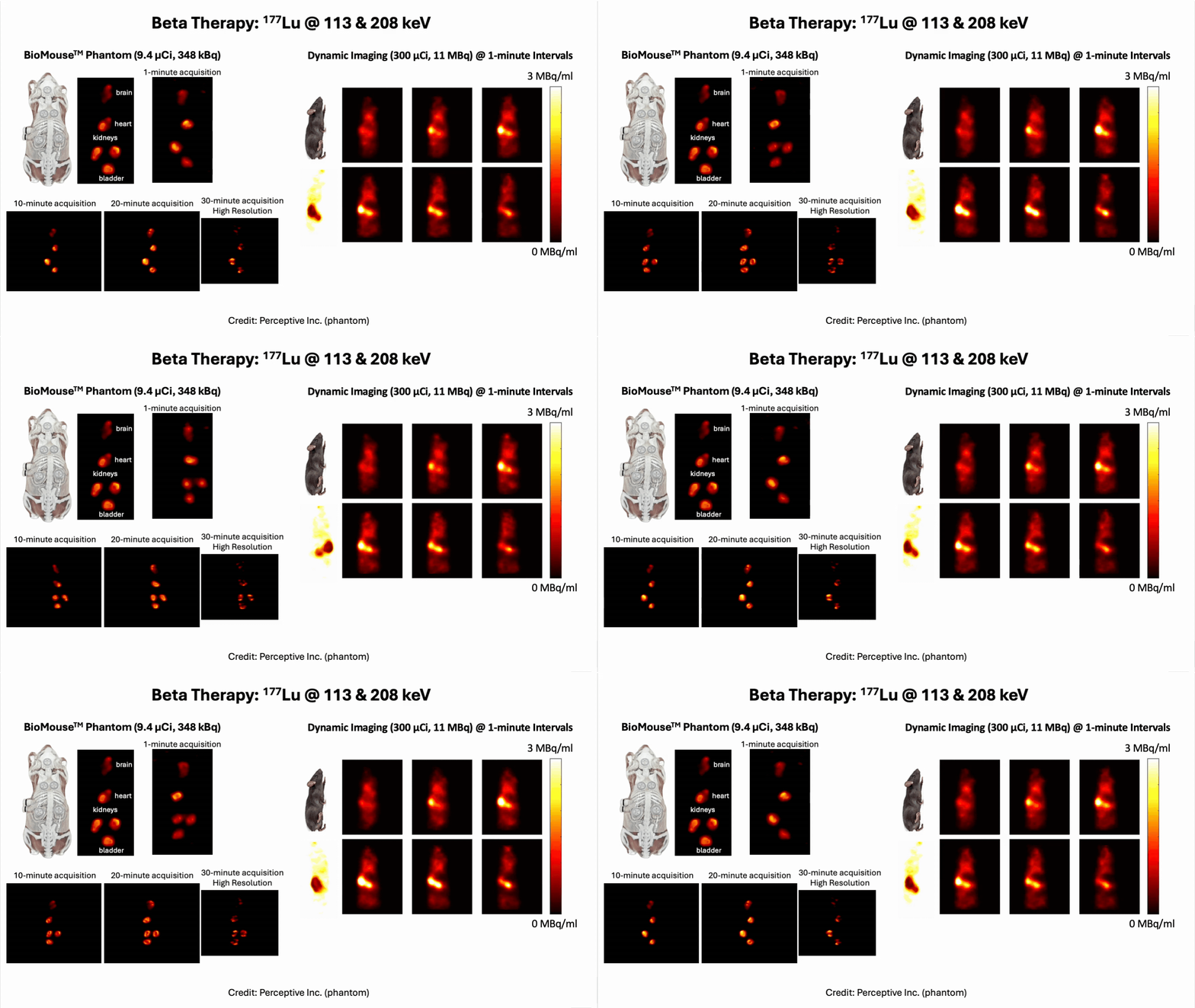
The system’s detector architecture enables dynamic imaging, quantitative biodistribution studies, and simultaneous multi-isotope imaging while minimizing scan times and maximizing throughput. Scan up to 3 mice simultaneously with integrated physiological monitoring, heated animal bed with and anesthesia delivery.
Quantitative imaging and analysis of Ac-225 and daughter isotopes
Exceptional CZT-based energy resolution
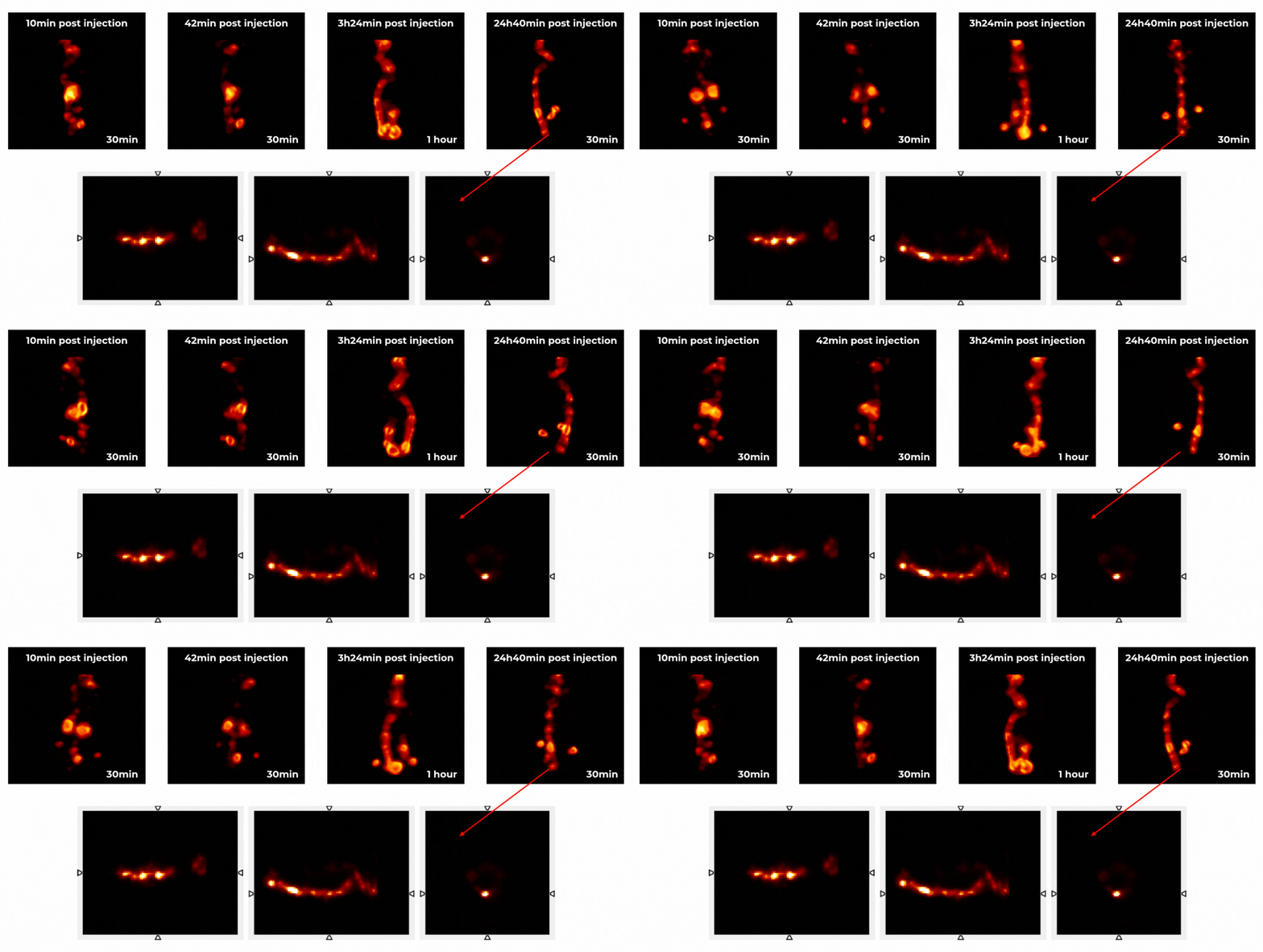
Dynamic imaging with frame durations as short as one second
Simultaneous imaging of multiple isotopes
Multi-animal imaging capability for increased throughput
Applications of the Alpha-SPECT Mini
Advanced SPECT imaging designed for quantitative radionuclide imaging, multi-isotope studies, and theranostic research.
-
Theranostics
Monitor therapeutic radionuclides and assess biological distribution and treatment response.
-
Targeted Alpha Therapy
Quantitatively image Ac-225, Ra-223, and associated daughter isotopes.
-
Multi-Isotope Imaging
Perform simultaneous imaging of multiple radionuclides within a single acquisition.
-
Biodistribution Studies
Replace destructive tissue sampling approaches with non-invasive whole-body imaging.
-
Drug Development
Evaluate radiopharmaceutical targeting, pharmacokinetics, and efficacy.
-
Oncology Research
Assess tumor uptake, clearance, and therapeutic response.
-
Dynamic Imaging
Capture tracer kinetics and temporal biological processes with high sensitivity.
-
Quantitative Imaging
Support reproducible and accurate radionuclide quantification workflows.
Case Studies
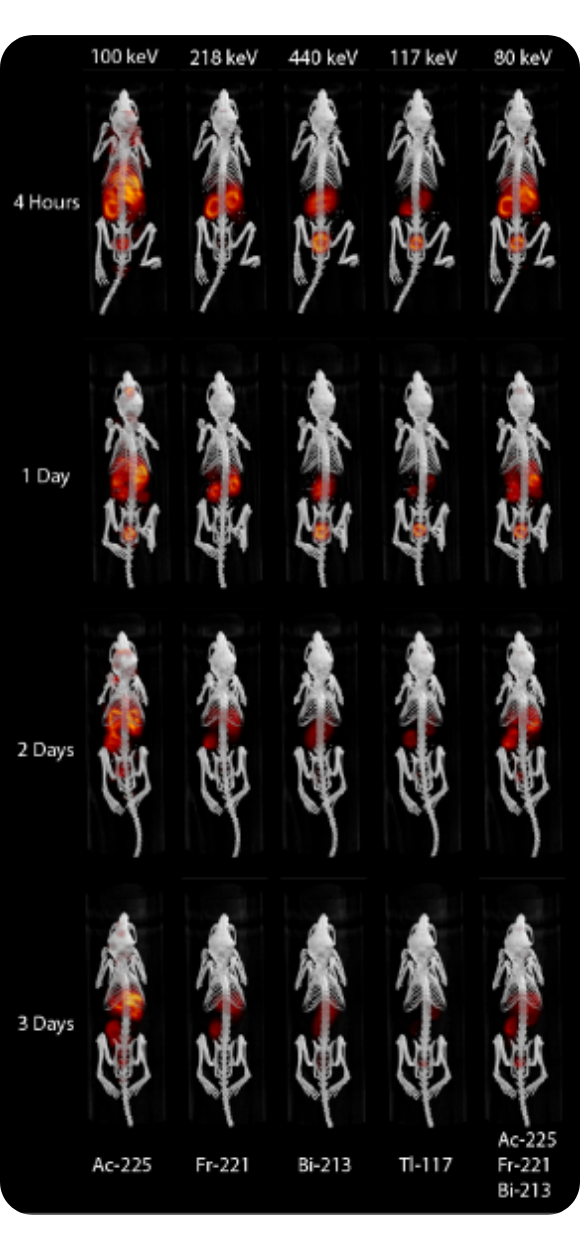
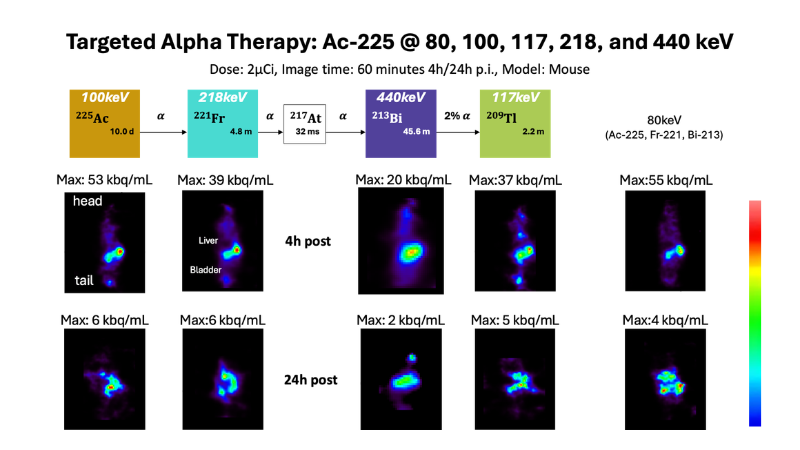
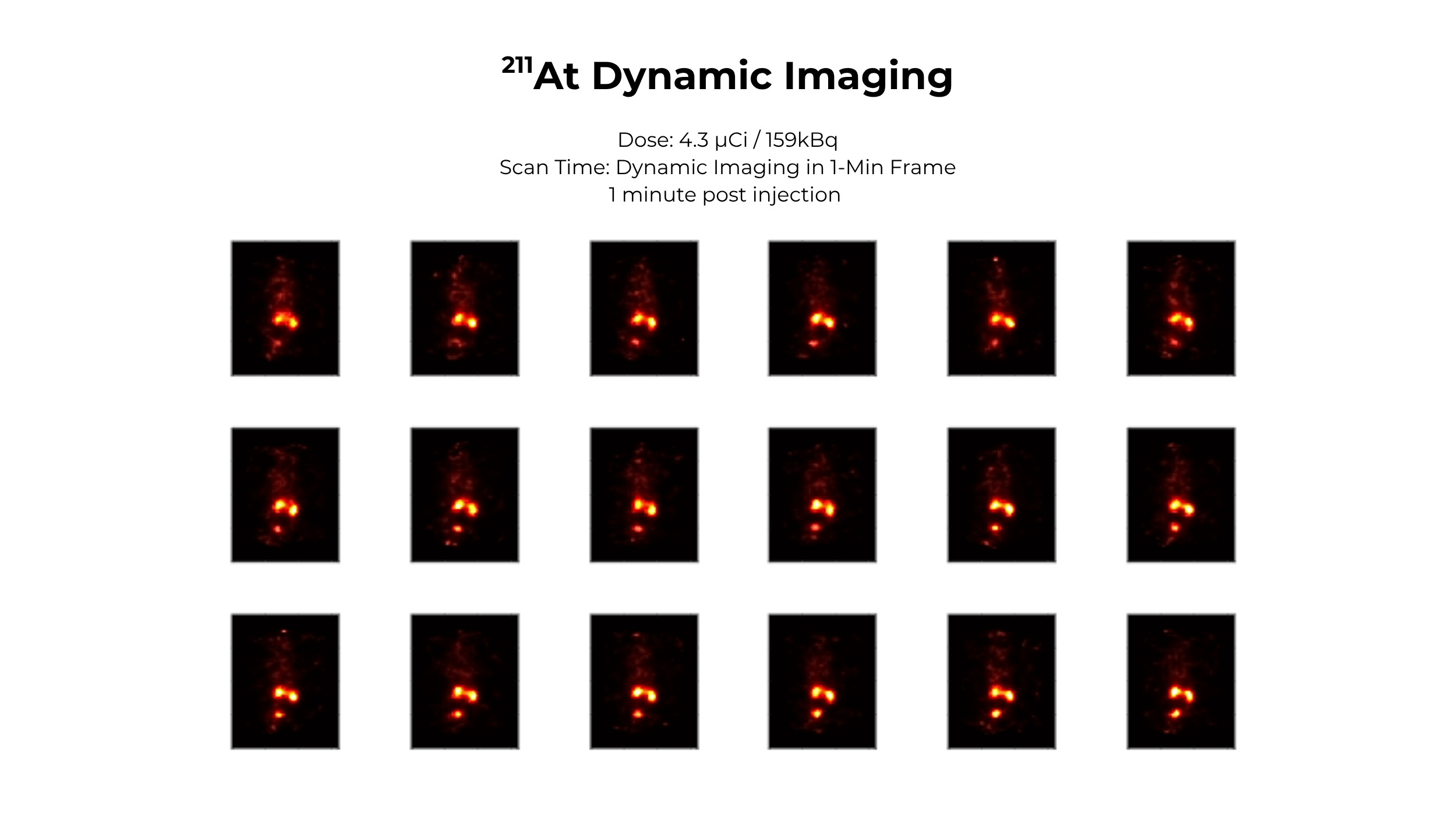
Targeted Alpha Therapy: Ac-225 @ 80, 100, 117, 218, and 440 keV
Dose: 2µCi
Image time: 60 minutes 4h/24h p.i.
Model: Mouse
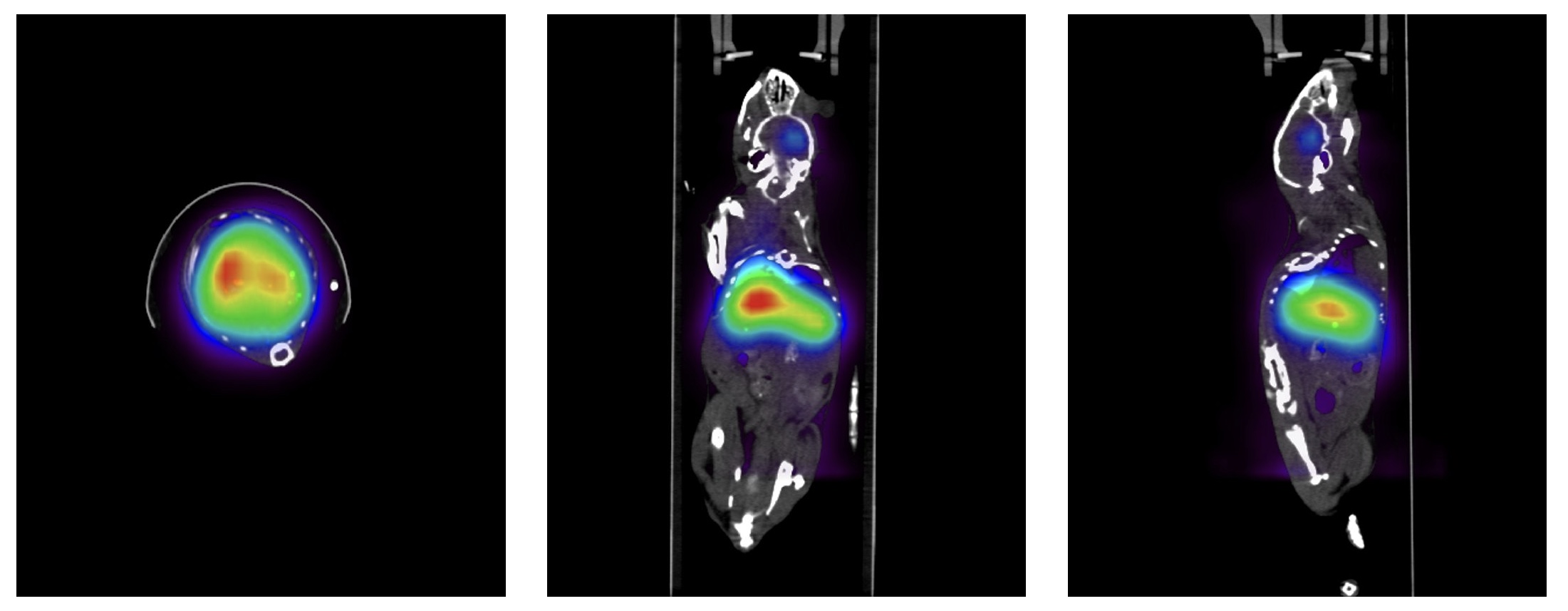
Alpha Therapy: Ra-223 @ 81-95keV
Dose: 1µCi
Image time: 30 – 60 minutes
Model: Non-tumor bearing mouse
Phantom and In Vivo Studies
How Scintica Supports Preclinical Studies
We have a team of dedicated scientists who will go over your goals, understand your application, and help determine which system would be the best fit for you.
Features and Benefits
Advanced SPECT technology designed for high-resolution, quantitative, and multi-isotope molecular imaging.
Quantitative Ac-225 Imaging
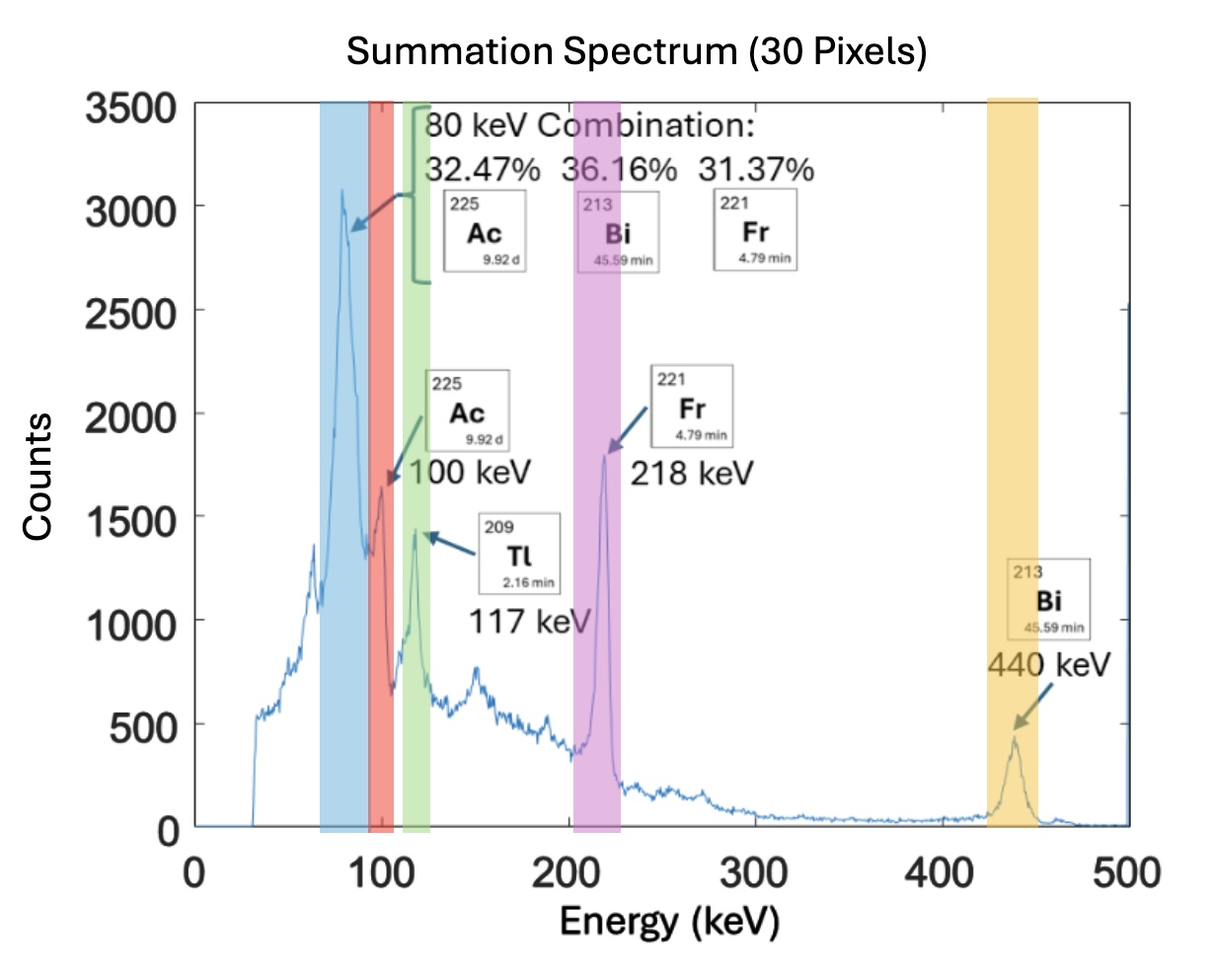
Simultaneously image and quantify Ac-225 and daughter isotopes including Fr-221, Bi-213, and Tl-209 from a single acquisition.
Benefits
- Improved quantitative confidence
- Reduced study complexity
- Enhanced theranostic workflows
- Supports targeted alpha therapy development
Multi-Isotope Capability
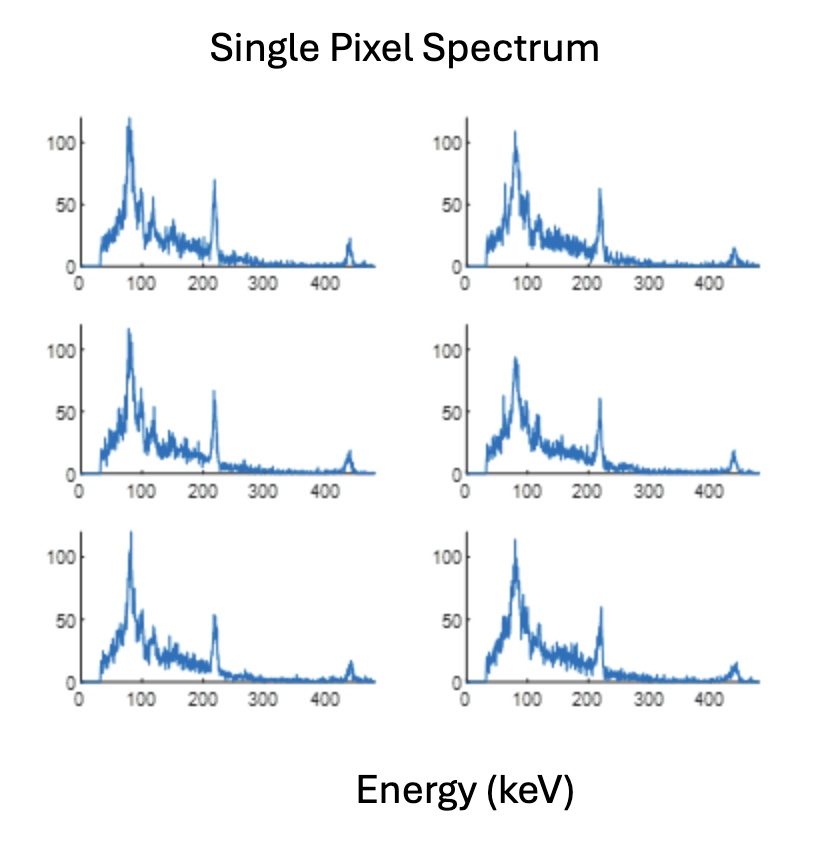
High-energy-resolution CZT technology provides excellent spectral separation between radionuclides.
Benefits
- Simultaneous isotope imaging
- Reduced experimental variability
- Improved quantification accuracy
- Greater study efficiency
Dynamic Acquisition
Acquire time-resolved molecular imaging data with frame durations as short as one second.
Benefits
- Study tracer kinetics
- Assess biological processes in real time
- Support pharmacokinetic analysis
Biodistribution Imaging
Perform whole-body quantitative biodistribution imaging without destructive sampling.
Benefits
- Longitudinal monitoring
- Reduced animal use
- Improved data consistency
- Increased workflow efficiency
Ultra-High Sensitivity
Advanced collimation and detector architecture maximize measurable signal.
Benefits
- Supports low-dose imaging
- Enables longitudinal studies
- Reduced radionuclide usage
- Increased throughput
CZT Detector Technology
High-performance Cadmium Zinc Telluride detectors provide superior energy discrimination compared with conventional approaches.
Benefits
- Improved isotope identification
- Superior quantification
- Enhanced image quality
- Optimized theranostic imaging
System Specifications
Explore the key specifications of the Alpha-SPECT Mini and its advanced multi-isotope SPECT imaging capabilities.
2.5% @140keV Energy Resolution
The only commercially available Preclinical SPECT using CZT detectors.
Universal Bed Mover
For seamless CT co-registration with all commercial imaging systems.
Automatic Collimator Switching
Within seconds with one click of a button.

Alpha-SPECT
High Sensitivity Mode
High Resolution Mode
Field of View (D × L)
60 mm × 80 mm
40 mm × 60 mm
Spatial Resolution @140 keV
< 2.5 mm
< 1.5 mm
Sensitivity
4200 cps/MBq
600 cps/MBq
Energy Resolution @140 keV
3-4 keV
Detector
CZT
Bore Size
12 cm
Reconstruction
OSEM / MLEM
Components
CZT Detector Array
- High-energy-resolution detection
- Multi-isotope imaging support
- Quantitative imaging workflows
- Optimized theranostic imaging
Animal Handling Platform
- Integrated anesthesia support
- Heated animal bed
- Physiological monitoring integration
- Single and multi-animal imaging workflows
Reconstruction Software
- OSEM reconstruction
- Quantitative image reconstruction
- Dynamic image processing
- Multi-isotope image analysis
Accessories & Add-ons
- Physiological monitoring
- Multi-animal imaging configuration
- CT co-registration workflows
Related Research & Learning
Explore recent webinars, publications, and articles related to the Alpha-SPECT.
First Commercial Installation of the Alpha-SPECT Mini™ at Johns Hopkins University School of Medicine


