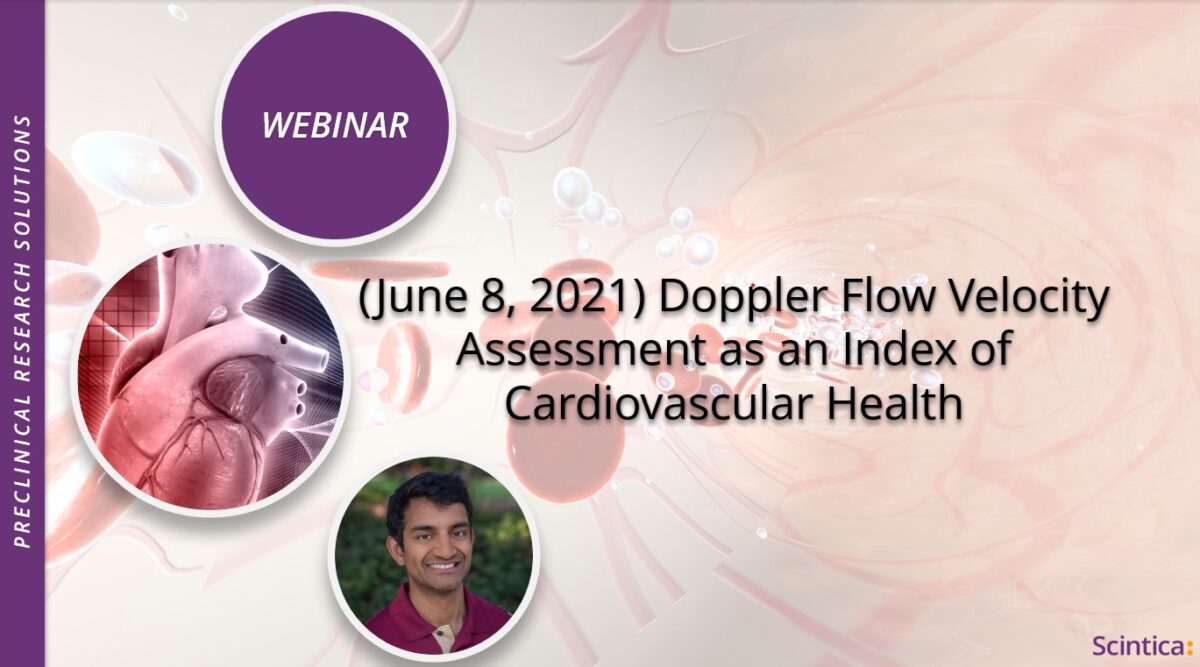
The cardiovascular system serves all organ function by blood supply of oxygen, nutrients, etc. Impaired blood flow is associated with cardiovascular disease risk. In turn, quantifying blood supply, i.e. blood perfusion, provides an assessment of cardiovascular health and disease risk. One area of my investigation is studying the effects of old age and exercise training on cardiovascular physiology. In this seminar, I will review cardiovascular physiology principles, and how the cardiovascular systems adapts in the context of old age and exercise. I will also describe the advantages of utilizing the Doppler Flow Velocity, specifically how the Doppler system serves as a powerful measurement tool for studies investigating the cardiovascular system and its adaptations under various conditions.
The cardiovascular system includes the heart, arteries, veins, and lymphatics. The heart, arteries, and veins transport and serve blood to and from all organs of the body, with blood containing macro- and micronutrients, oxygen, water, and carbon dioxide, while the lymphatic system transports lymph, which contains excess fluid and macromolecules not collected by the veins. Adequate blood perfusion is required to maintain organ system physiology and metabolism, and decrements in regional blood may lead to pathology. Old age, as one example, comes with various adaptations including decreased blood perfusion coupled with bone loss, e.g. osteoporosis. Exercise training has been shown to side-effects from old age by improving blood perfusion to organs such as bones, in turn improving bone health and lowering the risk of osteoporosis development.
Learning Objectives:
- Summary of my research areas in cardiovascular physiology
- How old age and exercise training effect cardiovascular, and associated organ, physiology
- Overview of Doppler Flow Velocity and its implementation
- Doppler measurement results from old age and exercise training study