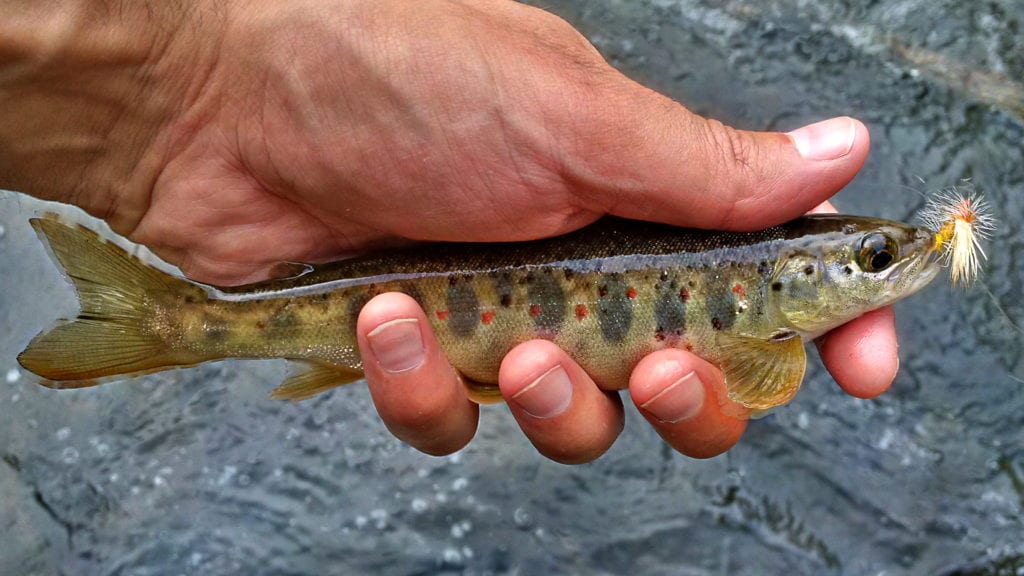
Researchers at Western University in London Ontario are working on bringing back the Atlantic Salmon to Lake Ontario. It has been over 120 years since the last wild salmon was seen in lake Ontario, due to habitat destruction and through over-exploitation by a food and commercial fishery.
Bryan Neff and his team of investigators are examining ways to increase the success of the reintroduction of Atlantic Salmon into the Great Lakes.. This reintroduction project involves the release of millions of salmon into the lakes every year, and only a handful survive. Research is being conducted to determine the cause of this extremely low survival rate. Currently, the Doppler Flow Velocity System is being used to measure cardiac function in juvenile Atlantic Salmon that are reared and exercised in different water temperatures. The hope is that this will give researchers a better understanding of how changing environmental temperatures may be impacting the cardiac development of these fishes.
The goal of the project is to provide a sustainable Atlantic Salmon population in the Great Lakes. This would bring millions of dollars to the economies of both the United States and Canada. It’s estimated that sport fishing in Ontario attracts about a million anglers and brings in $2 billion a year. An Atlantic salmon fishery could bring in $15 million over 10 years.
 Professor
Molecular and Behavioral Ecology
Professor Neff is head of the Molecular and Behavioural Ecology lab at Western University. His lab’s long-term goal is to provide an understanding of phenotypic diversity in natural populations – why do individuals look and act the way they do – from molecules to organisms living in their natural environment. Understanding the forces that shape and affect our world’s biodiversity is a fundamental objective in biology and is important for pure discovery as well as the conservation of our natural resources. This objective requires scientific research that addresses the genetic basis of behavioural, physiological, and morphological variation. His lab uses genetic and molecular tools to examine questions at the interface of evolution, ecology, and genomics. This approach has the potential to provide a comprehensive understanding of phenotypic diversity including the evolution of genes, gene function, and the interaction between genes and the environment.